Step 1: Make Each Product Page Crawlable and Indexable
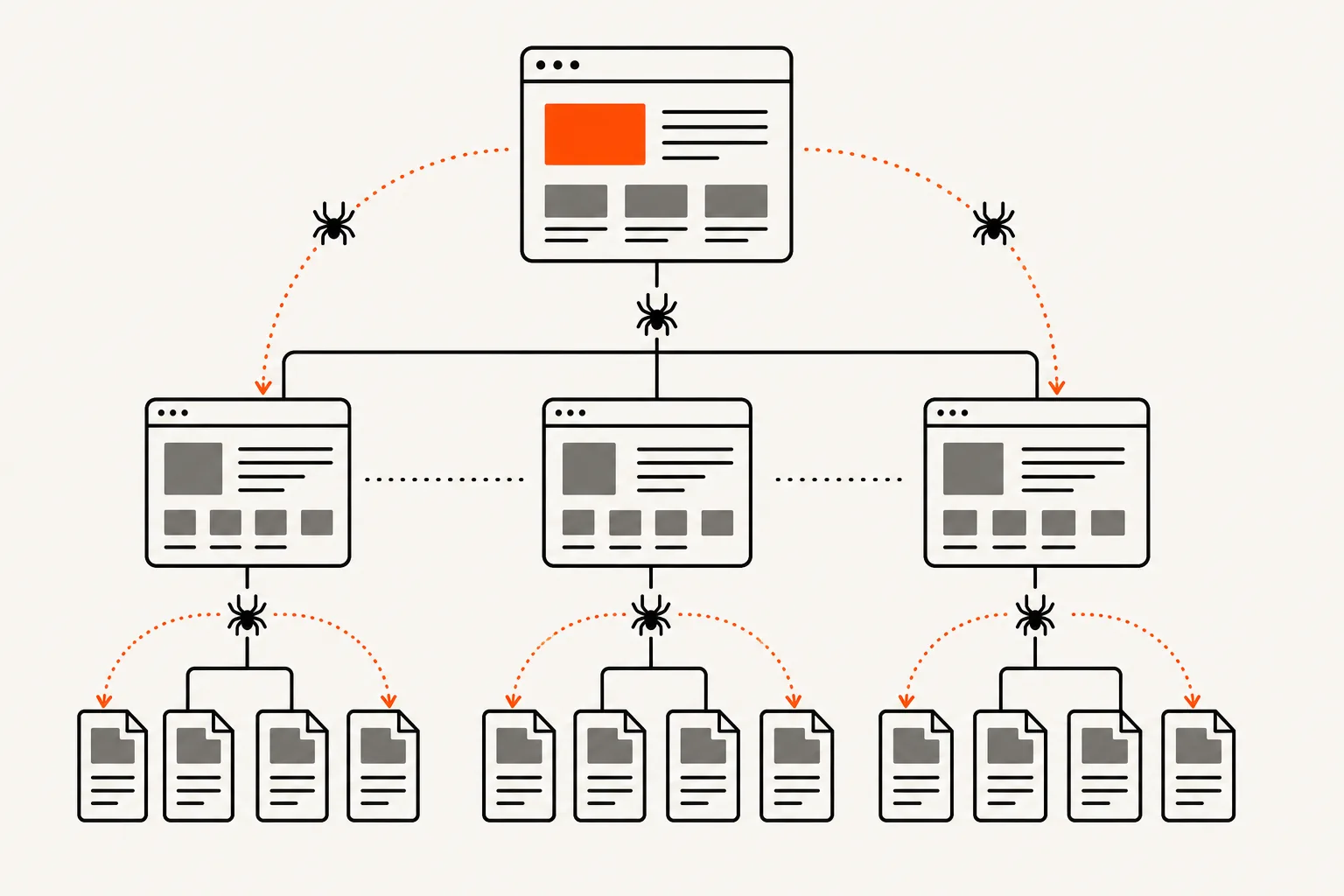
First, tell search bots where your product lives. A clean URL tree, a proper robots.txt, and a sitemap that lists every SKU let crawlers reach the page without hitting dead ends.
Check that each page returns a 200 status and that the canonical tag points to the preferred URL. Duplicate pages or thin parameters will split link equity and confuse AI models.
We often start with a site audit that flags missing meta robots, blocked resources, or orphan pages. Once the audit is done, we fix the issues and resubmit the sitemap in Google Search Console. This step alone can lift organic visibility, which in turn lifts AI citations because ChatGPT leans on the same index.
Best practices to get cited by ChatGPT outline a checklist for optimizing product pages.
After the fixes, run a fetch‑as‑Google test. If the tool can render the page and see the product name, price, and availability, you’re ready for the next step.
Step 2: Build Product Pages Around Specific Buyer Questions
AI engines answer real‑world queries. If a shopper asks, "What’s the best ergonomic mouse for designers?" your page should contain that exact phrase and a clear answer.
Start by gathering the top three buyer questions for each product category. Use keyword‑gap tools, forum threads, and the "People also ask" box in Google. Then craft a concise Q&A block that directly answers the query in plain language.
Each answer should include the product name, a key benefit, and a data point such as a rating or price. That pattern signals to LLMs that the page is citation‑ready.
When you embed these Q&A sections, keep the markup simple. A heading, a short paragraph, and an optional list work best. Avoid long, narrative paragraphs that hide the answer.
We saw a UK‑based home furniture brand go from zero citations to being named in three separate ChatGPT answers after adding buyer‑question blocks to its product catalog.
Step 3: Add Product Schema and Strengthen Entity Signals
Structured data tells AI what each piece of information means. The Product schema lets you mark price, availability, review rating, and SKU in a machine‑readable way.
Implement JSON‑LD markup directly in the page’s head. Here’s a minimal example:
{ "@context": "https://schema.org/", "@type": "Product", "name": "Product name", "sku": "ACM-001", "offers": { "@type": "Offer", "priceCurrency": "USD", "availability": "https://schema.org/InStock" }, "aggregateRating": { "@type": "AggregateRating", "ratingValue": "4.6", "reviewCount": "128" }
}
This format matters for AI citations. Product schema documentation explains how each field is defined.
After adding schema, run a structured-data validation tool to confirm there are no errors. A clean report means the page can be parsed by both Google and downstream AI models.
We also reinforce entity signals by linking the brand name to a dedicated About page and by citing trusted third‑party reviews. Those inbound links act like votes that tell the model the brand is reputable.
Once schema is live, monitor the Search Console’s Enhancements report. Any drop in valid items should be fixed immediately, as missing fields can cause citations to disappear.
Step 4: Connect Product Pages to Category Pages and Trusted Sources
Internal linking spreads authority. Every product page should link up to its category landing page and back down to related items.
On the category page, include a brief overview that mentions the top‑selling products and the key buyer question they answer. Then, within each product page, add a "Related products" block that points to sibling SKUs.
External backlinks matter, too. Earn mentions from industry blogs, review sites, or supplier pages. Those links act as high‑quality citations that AI models trust.
AI citation audit for B2B SaaS walks through how we map these internal and external signals.
When you audit the link graph, look for orphaned products, pages with no inbound links. Give them a boost by adding a call‑to‑action on the category page or by creating a roundup post that naturally links to them.
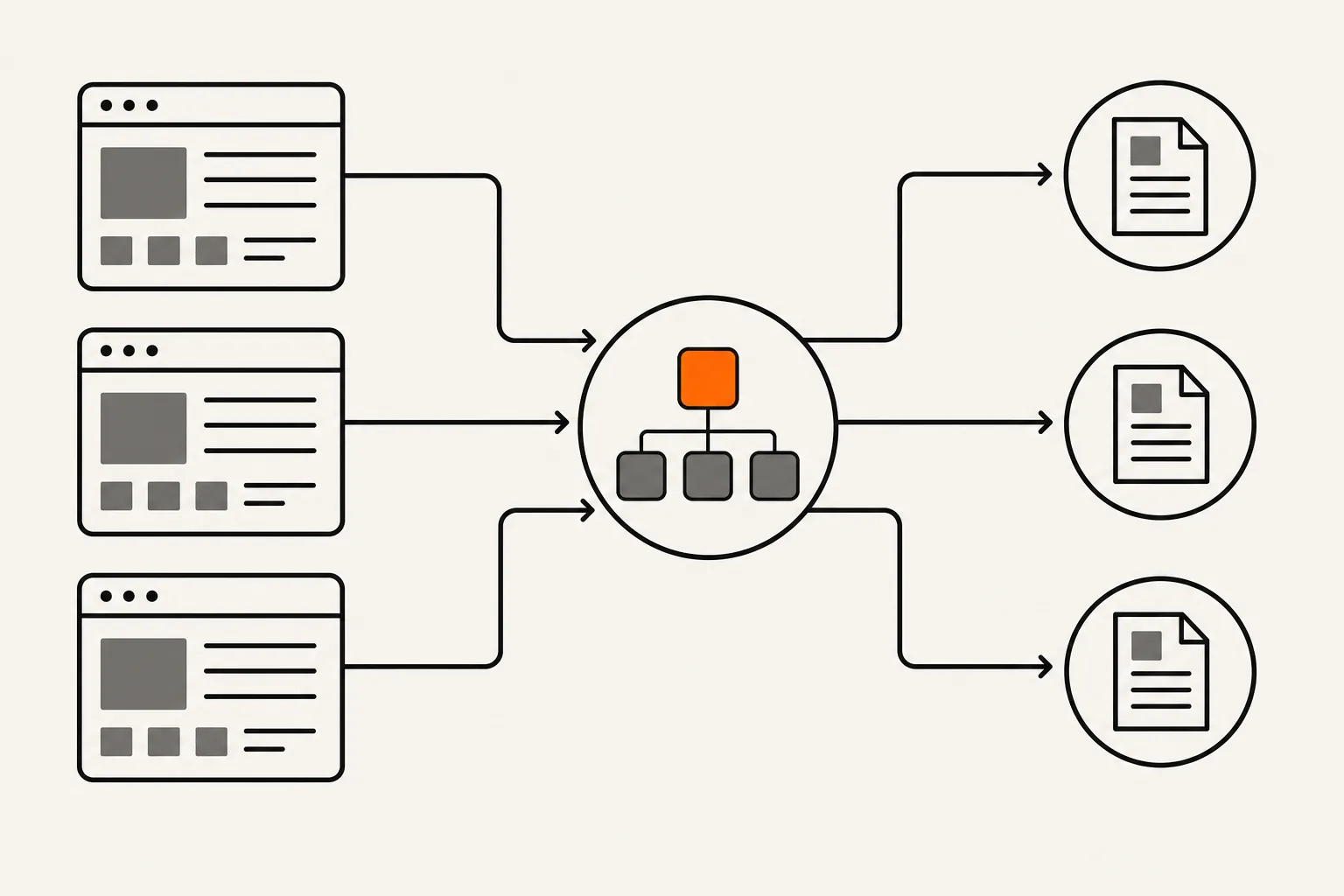
After linking, run a site crawl to verify that every product page is reachable within three clicks from the homepage.
Step 5: Track Citation Gains Through Organic Ranking Signals
Without measurement, you can’t know what works. Use the same rank‑tracking tools you trust for Google keywords to watch AI citation trends.
Set up a spreadsheet that records three metrics each week: organic position for the product’s primary keyword, the number of AI citations reported in the citation dashboard, and any spikes in traffic from AI‑originated referrals.
When you see a rise in organic rank, you’ll often see a matching bump in ChatGPT citations a few days later. That lag is normal because LLMs refresh their knowledge bases on a periodic schedule.
If a product’s citations drop while rankings stay flat, investigate schema errors or lost backlinks. Fix the issue and give the model a week to re‑crawl.
AI search visibility checklist for SaaS provides a ready‑made template you can copy into your own reporting process.
Finally, tie citation growth to revenue impact. Pull the conversion data for sessions that originated from AI search referrals and calculate the incremental pipeline value. That number becomes the business case for ongoing investment.
FAQ
How do I know if ChatGPT is actually citing my product?
ChatGPT citations appear in the model’s answer text as a named product or brand. Use an AI citation tracking tool or run a manual query for your product name; if the answer includes a link or a clear mention, that counts as a citation.
Do I need a special API to get cited by ChatGPT?
No. Citations come from the same index that powers Google search. Focus on traditional SEO fundamentals, crawlability, schema, and backlinks, and the AI engines will pick up the same signals.
Can schema alone boost my citations?
Schema is a key signal but not a magic fix. It tells AI models what the data means, yet the page still needs to rank and be linked to reputable sources to earn a citation.
How often should I audit my product pages?
We recommend a full audit every 90 days. That cadence catches new SKU additions, broken links, and schema drift before they hurt citation volume.
Is there a quick win for low‑traffic products?
Yes. Add a concise Q&A block that answers a high‑volume buyer question and mark it up with FAQ schema. Even a single well‑crafted answer can surface the product in an AI response.
Boosting ChatGPT citations isn’t a separate discipline; it’s a natural extension of solid SEO work. Start with the steps above, measure the lift, and keep refining.
Ready to put this into practice? Optimitor was built for exactly this.
Check your product pages first
Our private teardown runs three Google searches and three AI buyer questions in your category, and shows which page should have been cited.
Request the teardown ↗