1. Optimitor
Optimitor is our senior-led SEO and AI search visibility service for brands that need stronger rankings and more mentions in ChatGPT, Perplexity, Gemini, and Google AI surfaces.
We start with the search results, not a citation dashboard. Our team finds the queries that shape your category, checks which pages win them, and maps the gaps between your site and the sources AI systems already trust. Then we fix the causes behind those gaps.
That work can include technical SEO, page structure, internal linking, entity mapping, structured data, and authority building. Each part has a job. A slow or blocked site limits discovery. Weak page structure makes extraction harder. Thin source content gives an AI system little worth quoting.
We also connect citation work to commercial intent. A brand may appear as a source for a definition yet never show up when a buyer asks for a recommendation. Those are different problems. Source coverage needs clear answers. Recommendation visibility needs category authority, proof, and strong commercial pages.
Our operating model is simple: one team, one programme, and one company per competitive category. We turn away direct competitors for the length of an engagement. That lets us work toward category ownership without creating conflicts between clients.
For teams that want to inspect the work before discussing a programme, our AI citation optimization workflow shows how we connect crawl access, content quality, authority, and measurement.
The caveat is important. Optimitor can't force ChatGPT to cite a page. No agency can. We improve the conditions that make a citation more likely, then track whether rankings, source mentions, and qualified visits move together.
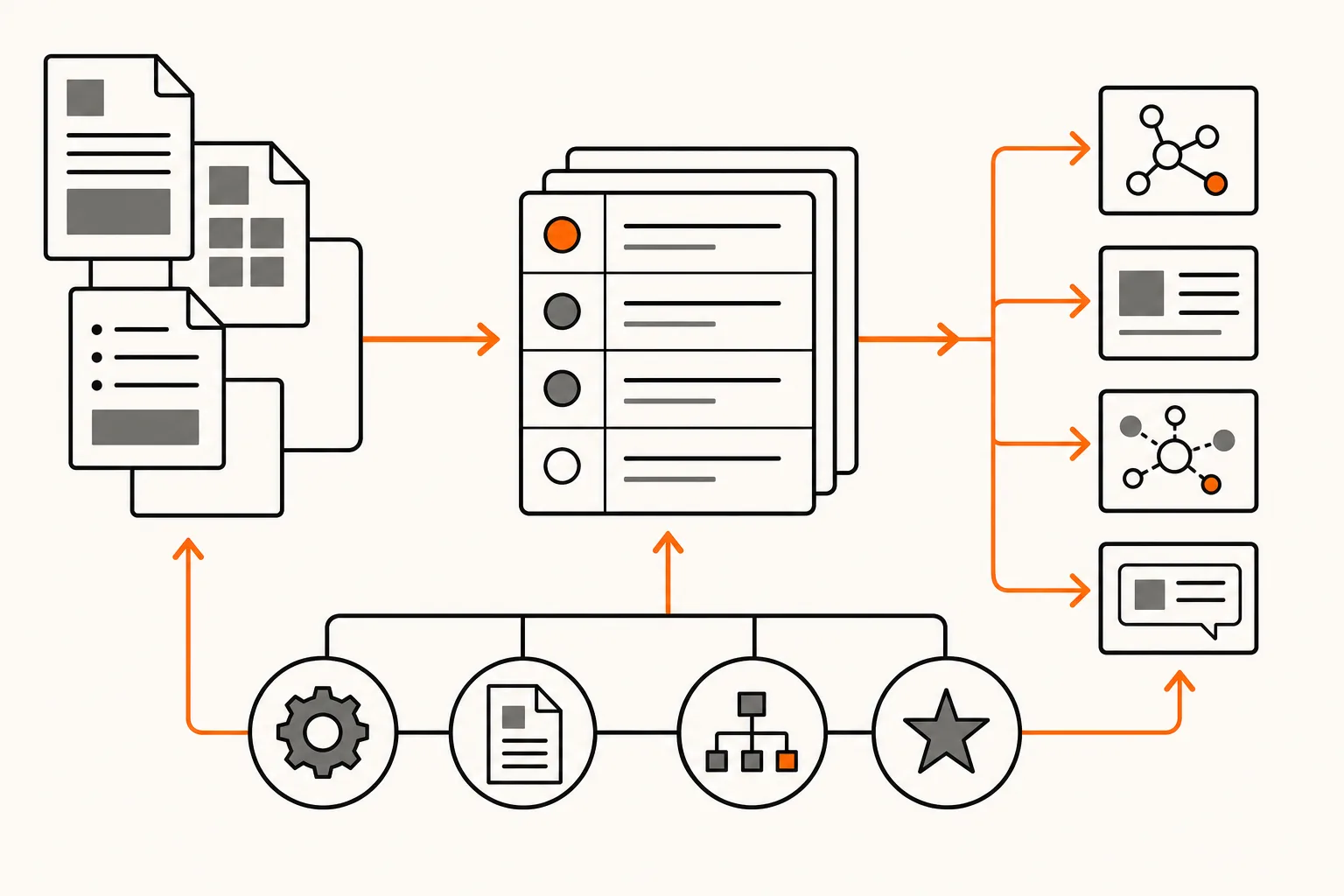
Step 2: Build Pages That Answer Specific Brand Questions Clearly
Clear source content is one of the best practices to get cited by ChatGPT for brands. Start with the questions buyers ask before they know your product is the answer.
Group those questions by intent. A category query asks what tools or providers exist. A problem query asks how to fix a workflow. A comparison query weighs one choice against another. A brand query asks what your company does, who it serves, or how its product works.
Give each important question one main page. If five pages target the same phrase, they compete with each other. Choose the page that deserves the ranking. Merge useful material into it, redirect weaker duplicates, or change their purpose.
Open with a direct answer. Then add the detail that proves it. A strong page usually makes its claim easy to find in the first paragraph, while the rest of the page explains limits, examples, process, and evidence.
Use headings that describe the question, not vague labels. “How does enterprise data backup work?” gives both readers and machines more context than “Our approach.” Keep each section focused. If a buyer needs five facts to decide, state those facts in plain language and link to the supporting page.
Write facts that can stand alone when quoted. Define the subject before using a short name. Put dates beside time-sensitive claims. Name the author or reviewing expert where that adds trust. If you publish research, explain the method and show the underlying source.
Site structure matters inside the page too. A clear H1 followed by useful H2 headings gives an answer engine a map. Short paragraphs help it identify the boundaries of each claim. Tables can help with comparisons, but only when each row contains a distinct decision point.
Siteimprove describes answer-engine readiness in terms of accessible content and clear structure, which matches our own page work. Their guidance on accessible content for answer engines is useful when a team needs to check whether important facts are easy to reach and understand.
Don't write for a made-up AI format. There is no special paragraph length that guarantees a citation. Write the page a careful editor would want to quote, then make the answer easy to locate.
Step 3: Strengthen Brand Entities, Schema, and Site Architecture
Technical signals help AI systems identify what a page is about and how it relates to your brand. They support the best practices to get cited by ChatGPT for brands, but they can't rescue a page that has no useful content or organic visibility.
Start with the brand entity. Keep the company name, legal name, logo, location, social profiles, and description consistent across important pages. Make it clear which company publishes the content. Product names should also follow one naming pattern across navigation, page titles, structured data, and supporting mentions.
Then add schema where it fits the page. Organization data can clarify the publisher and brand identity. Article data can state the author, date, headline, and image. Product or SoftwareApplication data may fit product pages when the marked-up facts appear visibly on the page.
Schema is a set of clues, not a ranking shortcut. Test it against the visible page. If the markup says an article has one author but the page names another, the signal becomes less useful. Remove fields you can't support. Accuracy beats volume.
Review crawl access next. Check robots.txt for rules that block important search crawlers or AI crawlers. A single disallow rule can stop discovery of a whole path. Also check noindex tags, canonicals, redirects, login walls, and accidental staging controls.
Raw HTML deserves attention. If key facts appear only after a script runs, some systems may have trouble reading them. Put essential claims in the page markup. For video and audio, publish a useful transcript. For images, write alt text that describes the information, not the file name.
Build a site hierarchy that makes sense to a first-time visitor. Link a category page to its use cases. Link use cases to supporting guides. Link those guides back to the page that deserves authority. Aim for a short path, often two or three clicks, between related pages.
Siteimprove's guidance on technical readiness for answer engines covers the same checks: crawl access, structured content, and pages that expose their meaning clearly.
Run these checks on your most valuable pages first. A clean entity setup on a page nobody finds won't change much. Fix the pages that already have demand, then expand the system.
Step 4: Earn the Mentions and Links That Support Brand Authority
Authority gives AI systems more reason to trust a brand's page. For the best practices to get cited by ChatGPT for brands, that means earning relevant mentions rather than collecting random links.
Begin with the sources that shape your category. Look at trade groups, respected publications, research sites, partner pages, analyst resources, and expert communities. Ask why those sources would mention your company. A useful study, original data set, clear technical explanation, or expert comment gives them a reason.
Make the asset easy to check. State who ran the work. Explain the method. Show when it was updated. Link to primary evidence. If a journalist or editor can't verify the claim quickly, the chance of a useful mention drops.
Digital PR works best when it supports a page that deserves to rank. A mention can point readers to a category guide, a research page, or a product explanation. It should not send every link to the home page. Spread authority toward the URLs that answer buyer questions.
Internal links matter here too. When an authoritative page links to your research, your site should guide that value toward the related commercial and educational pages. Use descriptive anchor text. Avoid repeating the same exact phrase on every link.
We also separate source citations from recommendations. A brand may be cited for a definition because its guide explains the term well. That same brand may be absent when a buyer asks which provider to choose. To improve recommendation visibility, build proof around the category page and make the company's fit clear.
For B2B SaaS teams, our AI citation strategy for B2B SaaS uses this distinction to connect missed mentions with the pages and queries that drive pipeline.
Don't buy links that have no editorial reason to exist. They may inflate a report while adding little trust. A smaller set of relevant mentions is more useful than a large list of weak placements.
Step 5: Measure Citations Without Mistaking Tracking for Strategy
Measurement tells you where AI systems mention your brand. It doesn't fix the pages that fail to rank. That distinction keeps citation tracking from becoming a substitute for the best practices to get cited by ChatGPT for brands.
Build a prompt set that reflects real demand. Include category searches, use-case questions, problem searches, comparison prompts, and brand questions. Keep the wording stable for a set period so you can compare results. Record the engine, prompt, answer, cited URLs, brand position, and date.
Track the cited page, not only the brand name. A mention from a weak blog post may create little value. A citation from your best product guide can show that the right page has gained trust. Page-level data tells the SEO team what to improve next.
Connect the citation record to organic data. Check whether the cited URL ranks for related searches. Review impressions, clicks, engagement, assisted conversions, and qualified leads. A citation that never reaches a buyer may still help awareness, but it shouldn't carry the same weight as a citation tied to commercial demand.
Watch for three separate outcomes:
- Source visibility: the engine cites your page.
- Brand visibility: the answer names your company.
- Recommendation visibility: the answer presents your company as a fitting choice.
These outcomes need different fixes. Better page structure can improve source visibility. Stronger entity signals can improve brand clarity. Category authority and clear product fit can improve recommendations.
Review results on a schedule. Look for patterns across prompts rather than reacting to one answer. AI responses can change with context, location, model updates, and the sources available at query time.
Our AI citation audit for B2B SaaS treats tracking as an input to SEO work. The next action should always be clear: improve a page, fix crawl access, strengthen an entity, earn a relevant mention, or retire a weak target.
Keep the dashboard small enough that a senior team can act on it. More prompts don't automatically mean better insight. A focused set tied to revenue questions is usually more useful than a huge list that nobody reviews.
FAQ
How do I get my brand cited by ChatGPT?
Improve the pages that answer important customer questions, then make those pages easy to crawl, verify, and quote. Strong organic rankings are the base. Clear headings, accurate schema, consistent brand details, useful internal links, and relevant authority mentions support that base. Track cited URLs afterward, but don't treat a tracking tool as the strategy.
Does ChatGPT cite websites that don't rank on Google?
ChatGPT may use sources beyond standard search results, but organic visibility remains a strong starting point for brand citations. Pages that rank tend to have clearer relevance and stronger trust signals. If a page has no search visibility, fix its content and SEO foundation before adding more AI-specific markup.
Does schema markup guarantee an AI citation?
No, schema markup doesn't guarantee an AI citation. It helps describe facts such as the publisher, author, article date, or product identity. Those facts still need to match visible page content. Schema works best when the page also answers a real question, loads for crawlers, and has enough authority to be found.
What should brands track besides ChatGPT mentions?
Track the cited URL, the prompt type, the engine, the brand's position in the answer, and the page's organic performance. Also review qualified visits and assisted conversions. A source mention and a product recommendation are different outcomes, so report them separately instead of combining them into one score.
Is AI SEO different from traditional SEO?
AI SEO uses new measurement surfaces, but much of the work is traditional SEO. Brands still need pages that rank, clear information architecture, crawl access, useful content, and authority. AI citation tracking adds another view of performance. It doesn't replace keyword research, technical fixes, content work, or earned mentions.
Conclusion
Start with the page that should win your most valuable customer question. Check its ranking, crawl access, structure, entity signals, and authority before you buy another citation dashboard. If your team needs one programme that connects those tasks, talk with Optimitor about an initial audit and turn the findings into a focused SEO and AI visibility plan.
Start with the page, not the dashboard
Our private teardown runs three Google searches and three AI buyer questions in your category, and shows who gets named instead of you.
Request the teardown ↗