Step 1: Confirm the Core Update Caused the Citation Loss
The first thing to verify is whether a core update actually triggered the drop. Open Google Search Console and pull the performance report for the last 30 days. Look for a sharp dip that lines up with the rollout date of the most recent core update. If the dip starts exactly when the update went live, you’ve found the culprit.
Next, cross‑check the same period in an AI citation tracker. If the number of citations from ChatGPT, Perplexity, or Gemini fell at the same time, the update is likely the cause. A mismatch, rankings down but citations steady, usually points to a different issue, like a content change or a crawl error.
Core updates are broad changes to search algorithms and systems that can affect both rankings and AI‑derived answers. The impact can be immediate and widespread.
Once you’ve confirmed the timing, note the affected pages. Prioritize those that used to rank in the top 10 and that historically earned the most AI citations. Those are the pages that will give you the biggest lift when you recover them.
Step 2: Map Lost Rankings to Lost AI Citations
Now turn the raw data into a map you can act on. Export the list of pages that lost rankings from Search Console. Then pull the citation log from your AI tracking tool and match the URLs.
Build a simple two‑column table: one column for the ranking loss (position change, traffic loss) and one for citation loss (number of citations before vs. after). This visual lets you see which ranking drops caused the biggest citation gaps.
| Page URL | Rank Position Δ | Citations Lost |
|---|---|---|
| /product/alpha | -5 | 3 |
| /blog/ai‑trends‑2026 | -8 | 7 |
| /case-study/enterprise‑growth | -3 | 1 |
Focus first on rows where the rank drop is large and the citation loss is high. Those pages are the low‑hanging fruit for recovery.
When you build the table, remember to capture the date of the core update rollout. That timestamp helps you separate the update’s effect from any later algorithm tweaks.
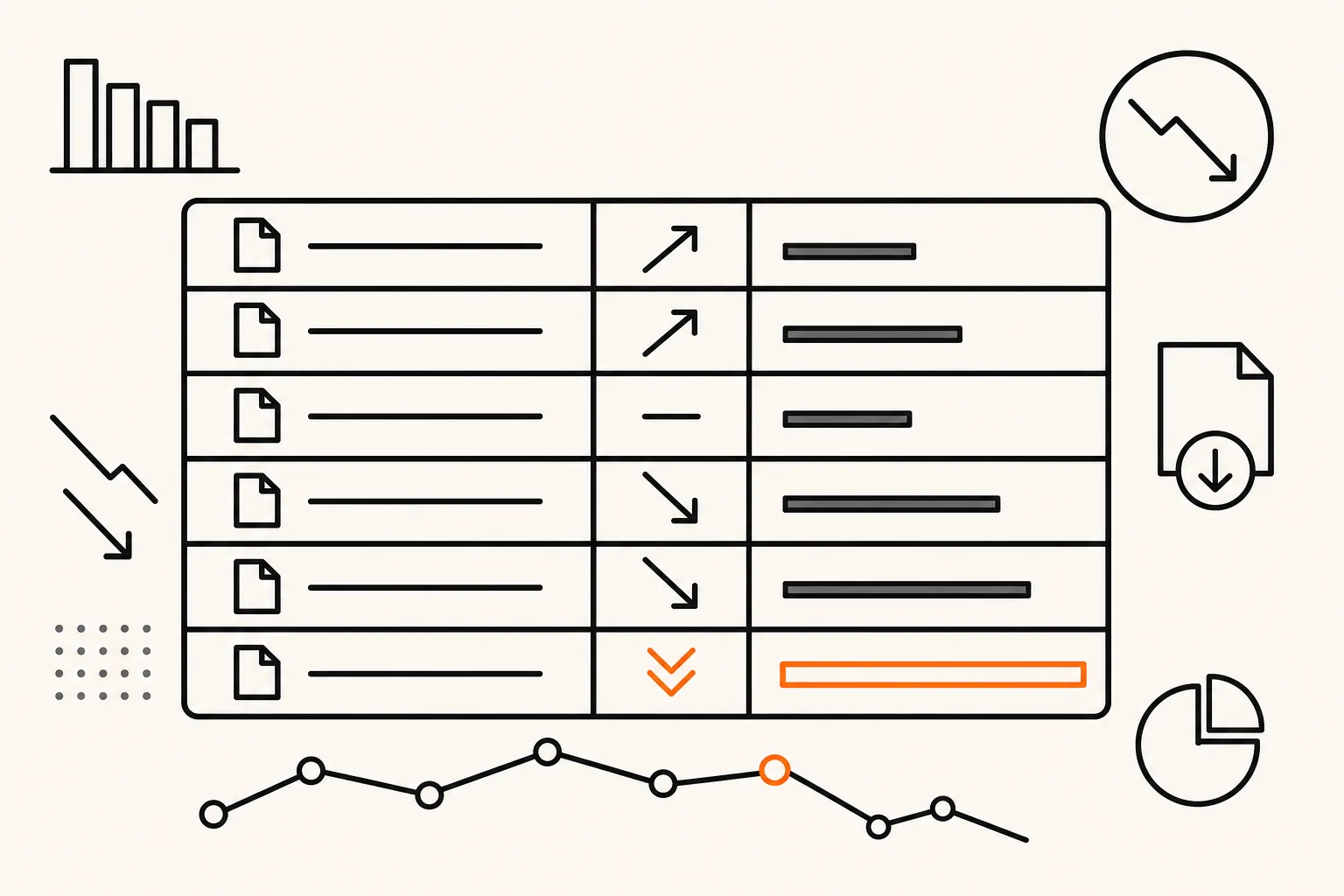
With the map in hand, you can see exactly which pages need a deep dive. The rest can wait for later rounds of optimization.
Step 3: Audit the Pages AI Engines Could Cite
AI engines pull from pages they can parse quickly and trust. That means the page needs clear authorship, verifiable expertise, and a solid information architecture. The March 2026 core update put heavy weight on E‑E‑A‑T signals, especially verifiable first‑hand experience.
Start by checking the author bio. Does it list real credentials, links to published work, or a LinkedIn profile? If the bio only says “SEO expert” without proof, the page will likely lose both ranking and citation credibility.
Next, run a content quality rubric that evaluates depth, originality, and actionability.
Also, look for structured data. Schema markup that tags the article type, author, and publication date makes it easier for AI models to extract facts. AddArticleandPersonschema if they’re missing.
Finally, verify that the page’s main answer is easy to find. Use clear H2 headings that match common user questions. AI models prefer content that answers a question directly within the first few paragraphs.
Step 4: Check Technical SEO, Entities, and Authority Signals
Technical health is the eligibility gate for any page. If Google can’t crawl the page, AI can’t cite it. Run a crawl audit and fix any 4xx/5xx errors, duplicate meta tags, or missingrobots.txtallowances.
Core Web Vitals still matter. Pages with a Largest Contentful Paint (LCP) over 2.5 seconds often see ranking drops, which in turn hurts citation rates. Use a performance testing tool to spot slow pages and prioritize them in your recovery list.
Entity grounding is the next layer. Search systems may match the entities you mention (company name, product, author) to an internal entity database. When the match is weak, the engine may skip your page. Consistent naming and canonical URLs can help clarify those entities. Learn how to improve AI search citations with stronger technical SEO, content structure, and authority signals.
Boost authority by earning mentions from high‑trust domains. Press releases, academic citations, and industry analyst reports all act as “entity endorsements.” The more distinct sources you have, the more likely AI models will pick you.
site:operator in Google Search to see which domains already link to your pages. Target outreach to any high‑authority sites that haven’t linked yet.Step 5: Recover Visibility and Track the Right Leading Indicators
With the audit complete, it’s time to fix and monitor. Start with the high‑priority pages you identified in Step 2. Refresh the content to add verifiable experience, tighten the structure, and embed schema.
Then launch a focused link‑building campaign. Earn links from industry publications, partner blogs, and reputable news outlets. Each new backlink lifts the site‑level prior that ranking systems use to boost all pages, including those you just fixed.
After the changes go live, track two leading indicators: (1) organic rank recovery in Search Console and (2) AI citation count in your citation dashboard. If rankings climb but citations stay flat, dig deeper into schema and entity consistency.
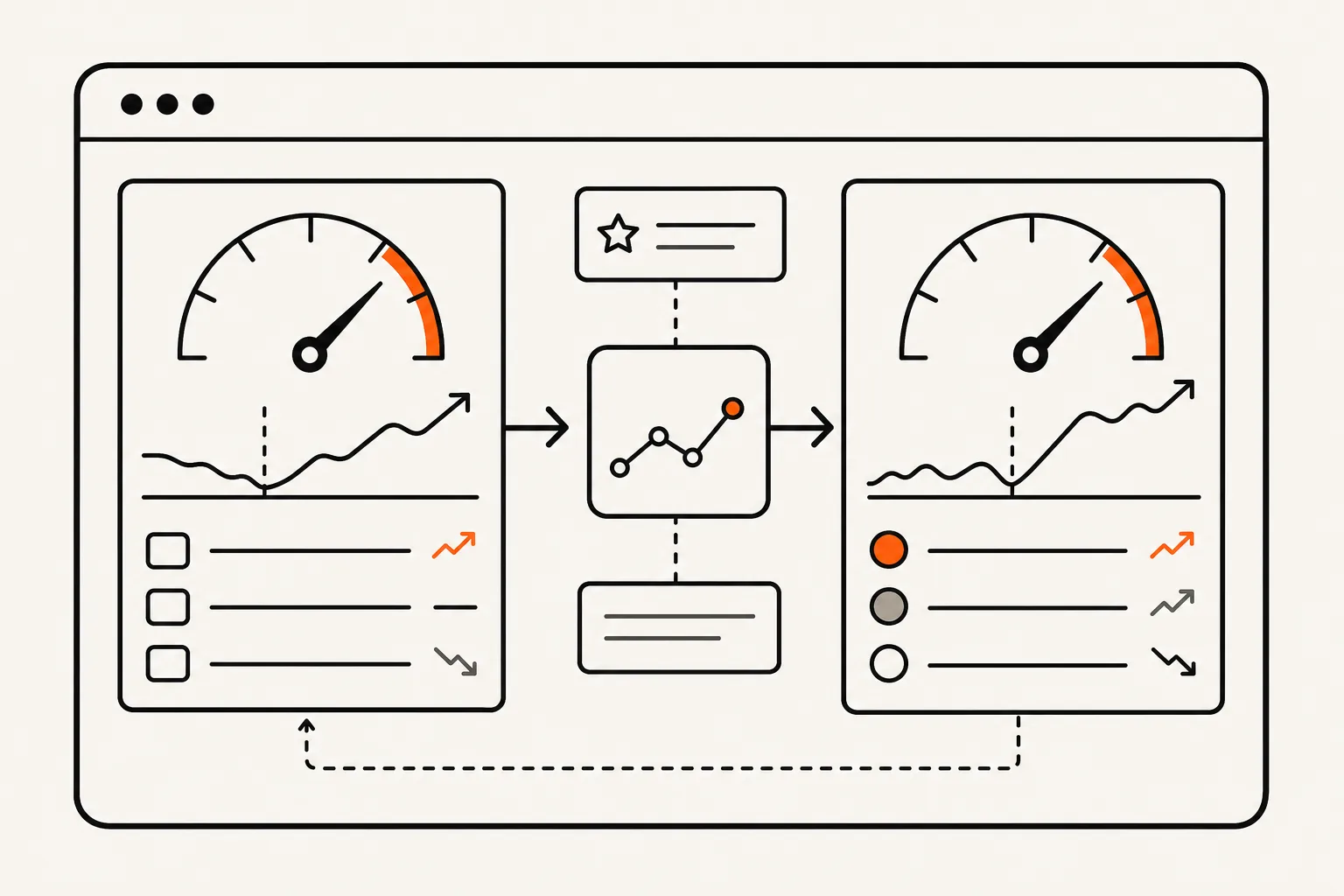
Keep the recovery loop tight: tweak, measure, and iterate every two weeks. When both rankings and citations move upward, you’ve closed the loop that the core update opened.
Need a proven partner to run this whole program? How to Increase AI Citations for Enterprise Websites walks you through the exact steps Optimitor uses to restore visibility after a core update.
FAQ
What is an AI citation?
An AI citation is a reference to your page that appears in a generative‑AI answer, such as a ChatGPT response or a Google AI Overview. The AI pulls the citation from its indexed web data and shows it as a source.
Why do citations disappear after a core update?
Core updates re‑evaluate ranking signals. When a page’s organic rank falls, the AI engine’s citation algorithm sees it as less authoritative and stops using it as a source.
Can I fix citation loss without improving rankings?
In practice, citation recovery follows ranking recovery. Boosting rankings restores the page’s signal strength, which then allows AI engines to cite it again.
How long does it take for citations to return?
Usually a few weeks after the page regains its SERP position. AI crawlers refresh on their own schedule, so there can be a lag between rank gain and citation gain.
Do I need special tools to track AI citations?
Yes, a citation‑tracking dashboard helps you see which pages are being cited by ChatGPT, Perplexity, Gemini, and Google AI Overviews. Optimitor’s own platform includes this capability.
Start by confirming the core update caused the dip, then map the loss, audit the pages, fix technical gaps, and finally monitor both rankings and citations. If you need an experienced partner to run the whole process, reach out to Optimitor and let us get your AI citations back on track.
Recovering from an update?
We find which pages lost rankings and AI citations, work out whether the cause is technical, structural or authority, and fix it in that order.
Get a proposal