Step 1: Establish Your Organic and AI Visibility Baseline
Start with a clear picture of where you stand. Pull the latest organic ranking report from your SEO platform and match it against AI citation data from tools that track ChatGPT, Perplexity, Gemini, and Google AI Overviews.
Map each top‑ranking page to the number of AI citations it receives. This map reveals the gaps where a high‑ranking page gets few citations, and the reverse.
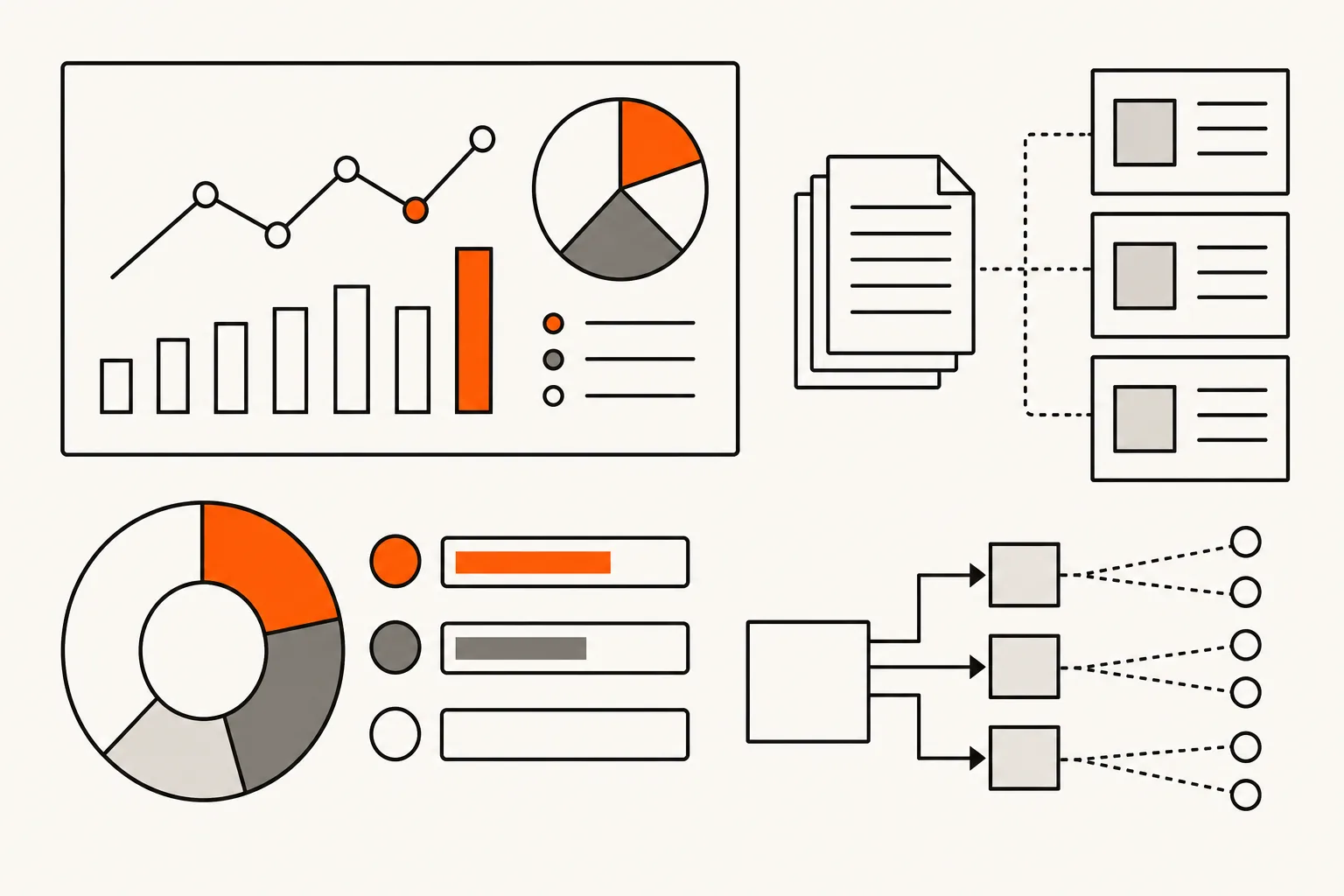
Use the baseline to set a realistic target, for example, a 20% lift in citations over the next quarter. Track the target with a simple spreadsheet or a dashboard that logs both rankings and citation counts weekly.
When you have the data, you can spot patterns. If a page ranks in the top three but only gets one AI mention, that page is a low‑hanging fruit for improvement.
AI Citation Optimization for Brands: How‑To walks through the exact spreadsheet layout we use.
By now you should have a baseline report that pairs SERP positions with AI citation volume.
Step 2: Fix the Ranking and Crawlability Problems Behind Citation Losses
Search engines need to reach your pages. If a crawler hits a 404, a redirect loop, or a slow server, the page drops in rankings and AI engines lose it as a source.
Run a technical audit that checks HTTP status codes, mobile‑friendliness, and page‑load speed. Fix any 5xx errors, update broken links, and set proper 301 redirects for moved content.
Next, ensure your robots.txt file does not block important directories. A common mistake is disallowing /blog/* while the blog holds the most answer‑rich content.
Confirm that Google can fetch the page by using the official crawling guide. If the fetch test fails, the page will not appear in AI models that rely on Google’s index.
After you patch technical gaps, re‑run the ranking report. You should see a bounce‑back in positions within a few weeks.
Best Practices to Get Cited by ChatGPT shows a checklist that aligns technical fixes with AI citation goals.
By now you should have a clean crawl budget and a modest ranking lift.
Step 3: Build Pages That Answer Specific Enterprise Search Questions
AI engines pull answers from pages that match user prompts closely. Write pages that act like a concise answer to a real business question.
Identify the top queries that your buyers type when they research solutions. Use a tool like Google Keyword Planner or a prompt‑analysis script to pull the exact phrasing.
Structure each page with a clear heading that repeats the question, a short paragraph that answers it directly, and then a deeper dive that adds data, examples, and links to proof points.
Keep the answer paragraph under 80 words. AI models favor brevity for the first sentence because they treat it as a snippet.
After you publish, ask the model itself: “What does ChatGPT say about X?” If the answer pulls your new page, you’ve hit the right format.
By now you should have at least three answer‑first pages that map to high‑value prompts.
<h2>tag for the question and a single<p>for the answer. This signals hierarchy to AI crawlers.Step 4: Strengthen Entities, Schema, Internal Links, and Site Architecture
Entities are the names, products, and concepts that AI models recognize. Mark them up with structured markup so the model can pull the exact fact.
Add structured data types likeOrganization,Product, andFAQPage. Fill required fields, name, description, URL, and include any official identifiers such as DUNS or LEI numbers.
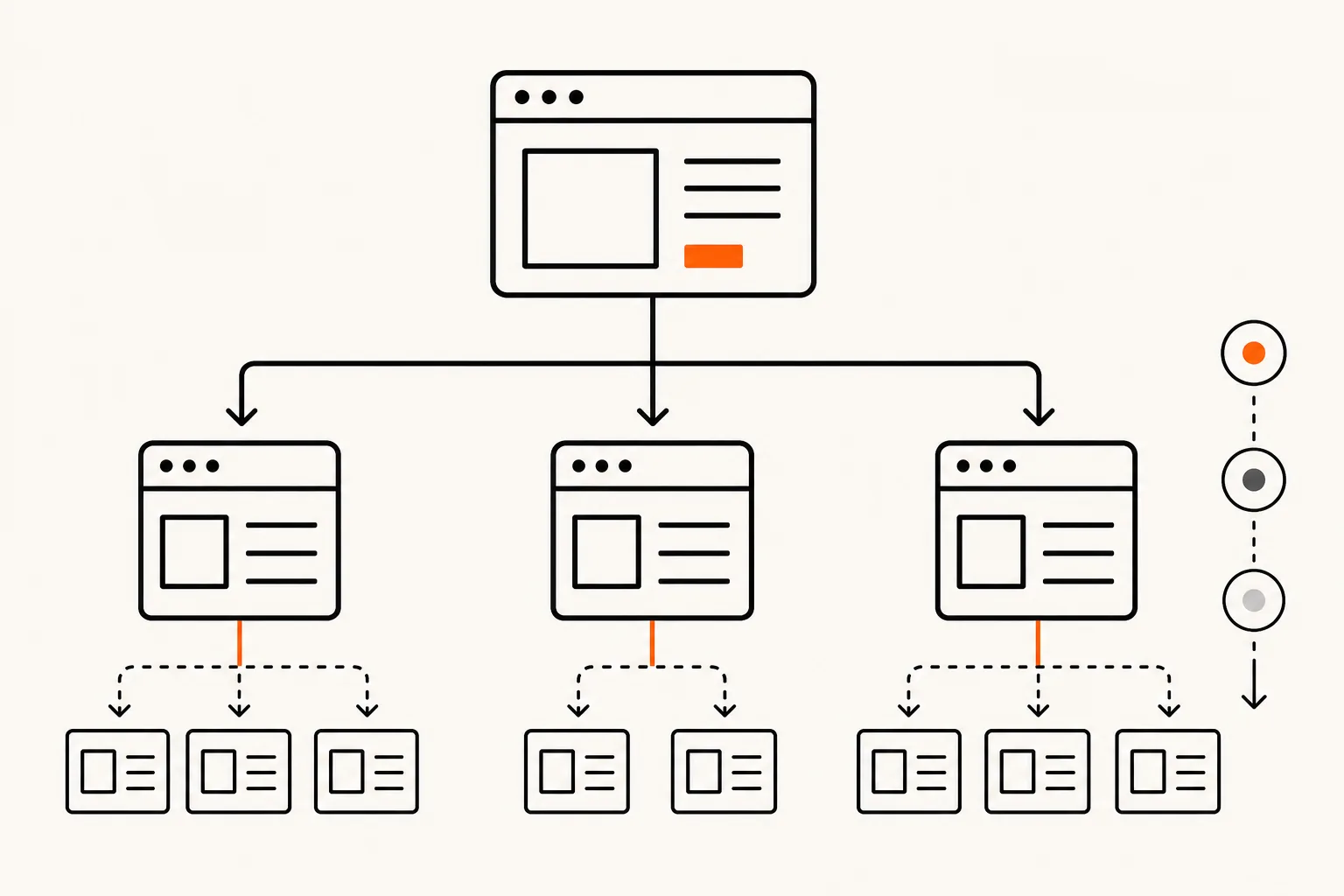
Next, audit your internal link graph. Ensure every answer page is linked from a high‑authority hub page, such as a product overview or a resource center. Use descriptive anchor text that includes the target entity, e.g., “enterprise backup solution” rather than “click here”.
Redesign the site map so that the shallowest depth from the homepage to any answer page is three clicks or fewer. This improves crawl efficiency and helps AI models see the page as part of the core site.
AI Citation Strategy for B2B SaaS: 5 Steps illustrates a usable internal‑link hierarchy that aligns with AI citation goals.
By now you should have schema markup on all answer pages and a clear internal linking flow that pushes authority to them.
Step 5: Earn the Authority and Mentions AI Systems Use as Evidence
AI engines trust content that other reputable sites link to. Earn those links through digital PR, thought‑leadership pieces, and industry reports.
Identify 5 to 10 high‑authority publications in your niche, tech magazines, analyst firms, or major news outlets. Pitch them a data‑driven story that references your own research or case study.
When a link lands on a page you’ve built for an enterprise question, both the ranking and the AI citation count improve. The link acts as a vote of confidence for the entity you marked up.
Track earned mentions with a citation‑monitoring tool. Record the source, the URL, and the date you earned it. Over time, you’ll see a correlation between new mentions and a rise in AI citations.
Optimitor runs a senior‑led outreach program that focuses on the same workflow, so you get both the technical fix and the earned authority in one plan.
By now you should have at least two new high‑quality mentions pointing to your answer pages.
FAQ
What is an AI citation?
An AI citation is a reference that a generative model like ChatGPT or Gemini uses as a source when it answers a user query. The model pulls the fact from the cited page and may show the URL as a source.
How do I know if my pages are being cited by AI?
Use a citation‑tracking tool that monitors ChatGPT, Perplexity, and Google AI Overviews. The tool lists the URLs it has cited and the frequency of each citation.
Can I improve AI citations without changing my content?
Only a small boost comes from technical fixes. Real improvement needs answer‑first content, schema markup, and earned links that signal authority to the model.
How long does it take to see citation growth after fixing technical issues?
Most crawlers re‑index within a week, so you may see a modest ranking rise in 7‑10 days. AI citation lift usually follows ranking gains and appears in 2‑4 weeks.
Do AI citation strategies work for B2C brands as well as B2B?
Yes. The same principles, clear answers, structured data, and authoritative mentions, apply to any site that wants to be used as a source by large language models.
Ready to boost your AI citations? Start with a baseline audit, then follow the five steps we laid out. If you need a partner that ties every fix together, Optimitor’s senior‑led program handles the whole workflow.
Enterprise sites, one category at a time
Our private teardown shows where the crawl, content or authority gap sits before anyone commits an enterprise budget.
Request the teardown ↗