Step 1: Establish a Baseline for Rankings and AI Citations
First, capture where you stand in both organic rankings and AI citation metrics. Use a tool that records your position on Google SERPs and tracks how often LLMs like ChatGPT link back to your pages. The citation rate tells you the frequency of explicit URL references, while the mention rate records brand name appearances without a link.
, AI referral traffic hit1.13 billionvisits in June 2025, a year-over-year rise. That surge makes a citation far more valuable than a traditional click.
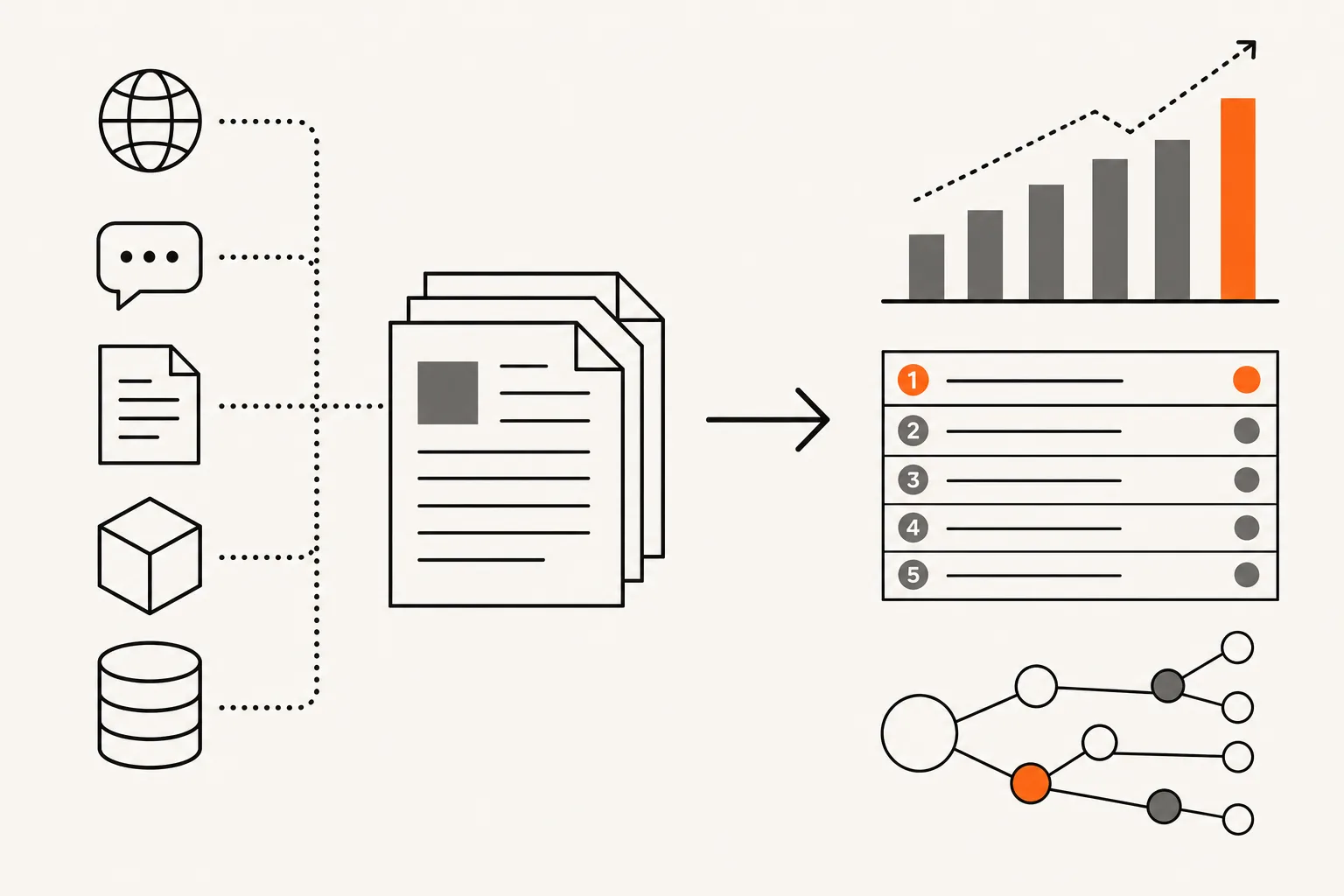
Pull the data into a simple spreadsheet. Columns should include keyword, current organic rank, citation count, mention count, and AI platform (ChatGPT, Perplexity, Gemini). When you see a drop in organic rank, expect a matching dip in citation rate, the two are tightly coupled.
Use this baseline to set realistic targets: a 5‑10% citation lift over the next quarter is a common benchmark for consumer brands.
We recommend starting with our own audit guide: AI Citation Optimization for Brands: How‑To. It walks you through the exact spreadsheet setup and the key metrics to watch.
Step 2: Fix the Organic Search Pages AI Engines Already Use
Next, polish the pages that already appear in AI responses. These are the “source” pages that LLMs pull from when they need evidence. Start by checking crawlability: ensure the pages return a 200 status, have a clean URL, and are not blocked by robots.txt.
Then, strengthen on‑page SEO. Include the target keyword in the title tag, a concise meta description, and a clear H2 hierarchy. Add a short, fact‑based paragraph that directly answers the question the AI is likely to receive. For example, a page about “best trail running shoes” should start with a sentence that states the top pick and why, using data points you can back up.
Don’t forget schema. Adding structured data markup tells AI engines the page’s purpose and improves extraction accuracy. Use Product, FAQ, and Speakable schema where relevant.
Finally, run a quick audit for duplicate content. If two pages cover the same topic, consolidate them to avoid diluting citation signals.
Step 3: Build Product and Category Content Worth Citing
Now create new assets that AI loves to cite. Focus on content that answers high‑intent queries like “best clean protein powder for women over 40.” Use a clear, evidence‑backed format: introduce the claim, present data, and cite reputable sources.
Each piece should include a brief summary paragraph that can be pulled as a snippet, plus a bullet list of key facts. Keep sentences short and avoid filler. When you reference external studies, link to the original source, that boosts credibility for both users and LLMs.
We also suggest publishing a “brand‑authored guide” on your own domain. AI engines treat original, well‑structured guides as high‑quality sources, especially when they contain unique data or proprietary research.
Once the content is live, submit it to Google Search Console and request indexing. This speeds up discovery by AI crawlers.
For a deeper dive on creating citation‑ready content, see Best Practices to Get Cited by ChatGPT - Optimitor. It outlines the exact template we use with our clients.
Step 4: Clarify Entities, Product Data, and Site Relationships
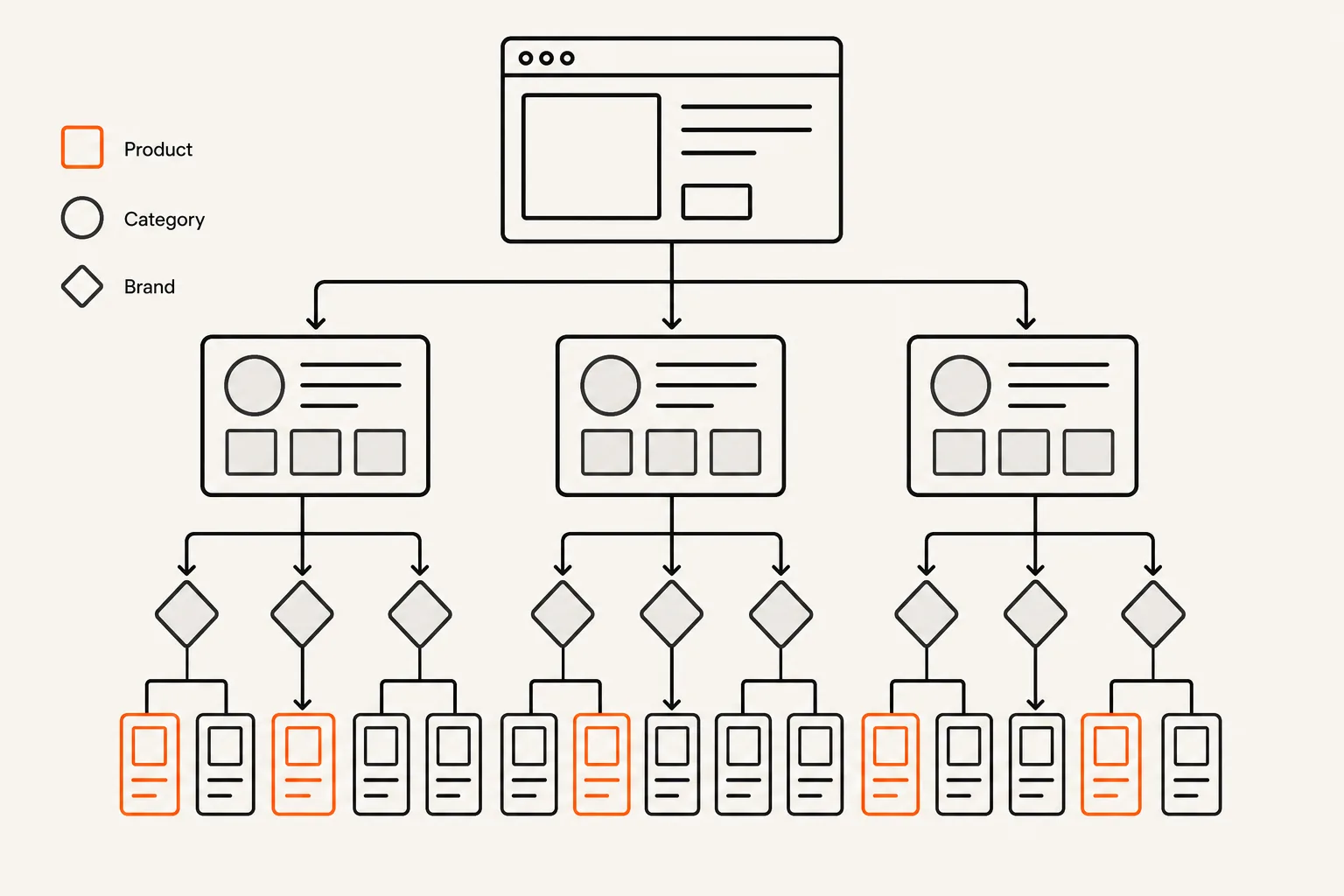
AI engines rely heavily on entity signals. Make sure each product, brand, and category has a unique, consistent identifier across the site. Use the same name, SKU, and GTIN in every mention.
Implement structured data for each product: include name, brand, price, availability, and aggregate rating. This helps the engine link the entity to external citations, such as YouTube reviews or affiliate editorial.
Map internal links so that related pages reinforce each other. A category page should link to its top‑selling product pages, and each product page should link back to the category. This creates a clear hierarchy that AI crawlers can follow.
Check for duplicate entity definitions. If two pages claim the same product, consolidate the markup into a single canonical version.
Our own methodology for entity cleanup is described in How to get your brand cited by ChatGPT - Optimitor. It walks you through a step‑by‑step audit and the exact schema snippets we apply.
Step 5: Earn Authority and Turn Citations Into Recommendations
With solid pages in place, focus on earning third‑party authority. AI citations often come from trusted sources like YouTube creators, affiliate review sites, and industry publications. Pitch your data or product demos to these outlets and ask for a backlink or embed.
Track the resulting citation share month over month. When a new backlink appears, verify that the source appears in AI response logs. If you see a spike in citation rate, double down on that channel.
Don’t stop at a citation. Encourage the source to add a recommendation sentence, “We recommend Brand X for clean‑label protein powder.” Recommendations carry higher conversion value than plain citations.
Finally, feed the new authority signals back into your SEO workflow. Update your internal linking, refresh schema with the new review ratings, and let the AI engine see the stronger trust signals.
Our clients typically see a 30% lift in AI‑driven traffic within three months when we combine technical fixes with focused PR outreach.
FAQ
What is the difference between citation rate and mention rate?
The citation rate measures how often an AI response includes a clickable URL to your site; the mention rate counts brand name appearances without a link.
Do I need a special AI‑SEO tool to improve citations?
No. A solid SEO foundation, technical health, structured data, and authority building, drives AI citations just as it does organic clicks.
How often should I audit my AI citation performance?
We recommend a monthly audit to catch ranking drops early and adjust content or outreach before citation share erodes.
Which AI platform gives the most citations for consumer brands?
Perplexity tends to include a citation in nearly every answer, while ChatGPT offers higher volume but fewer explicit links.
Can I track AI citations without a paid tool?
Yes. Free services like Google Search Console and open‑source crawlers can capture citation URLs, though a dedicated monitoring platform speeds up the process.
Ready to boost your AI citation rate? Start with a baseline audit, then follow the five steps we outlined. For a hands‑on kickoff, contact Optimitor and let our senior‑led team map your path to AI‑first visibility.
Test it on your category
We run three Google searches and three AI buyer questions in your category, then show which page, mention or authority gap is costing you the answer.
Request the teardown ↗