Step 1: Establish Your Organic and AI Citation Baseline
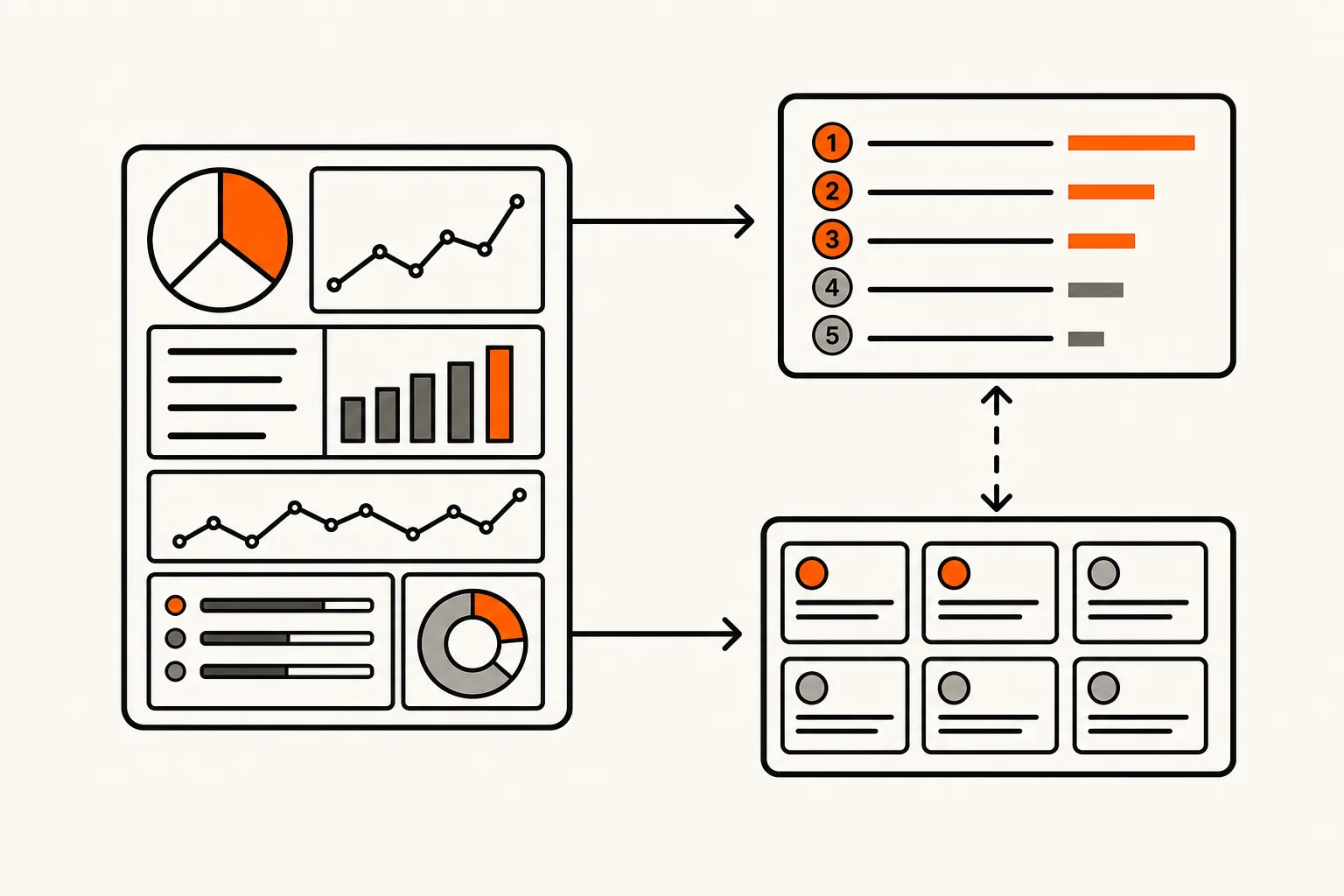
First, pull your current organic rankings from any rank‑tracker you trust. Then overlay the AI citation data you collect from Optimitor’s citation‑tracking dashboard. The two data sets reveal where a drop in Google position directly translates to fewer AI mentions.
We recommend running the audit on a 30‑day window to smooth out daily volatility. Record each SKU’s rank, its citation count, and the traffic each citation drives. Plot the numbers on a scatter chart, you’ll see a clear correlation line for high‑volume items.
When you spot pages that rank well but earn zero citations, those are quick wins: tweak the markup or add a concise answer block and watch the AI engine pick it up.
For background on how AI can reshape query results, see this general overview of artificial intelligence.
By the end of this step you should have a spreadsheet that lists every product, its organic rank, its AI citation count, and the gap you need to close.
Step 2: Connect AI Citations to the Search Queries Behind Them
Next, map each citation to the exact user query that triggered the AI answer.
Use the citation dashboard to pull the query strings, then group them by intent. You’ll likely see three buckets: informational how‑to queries, commercial‑investigation comparisons, and low‑intent transactional searches.
Prioritize the first bucket. Align your page headings and first‑paragraph answers to match those exact query phrases.
For schema guidance, refer to product‑schema documentation. It spells out the fields that help AI engines understand a product quickly.
After mapping, you should have a list of top‑ranking queries that currently miss your brand in AI citations, that list becomes your content brief.
Step 3: Rewrite Product and Category Pages for Citation‑Ready Answers
Now rewrite the pages to give AI a clear, concise answer right at the top. Start with a one‑sentence summary that directly addresses the query, then expand with unique details, specs, and a FAQ.
Make sure each page has complete JSON‑LD product schema in the initial HTML, never inject it with JavaScript. Include name, image, price, availability, SKU, and GTIN. Missing fields are a common reason why AI engines skip a page.
Use our internal copy guide for a practical pattern: answer‑first paragraph, bullet‑point specs, then a comparison table that shows why your product is “best for” the query.
Don’t forget supporting assets: size‑fit guides, return‑policy pages, and how‑to videos.
When you finish, each page should read like a short answer followed by richer detail, exactly what AI models need to cite.
Step 4: Fix the Technical Signals That Support Ecommerce Visibility
Technical health is the foundation for any citation win. Start with crawl budget: prune faceted URLs that generate duplicate content.
Run a core‑web‑vitals audit and bring LCP, CLS, and FID below Google’s recommended thresholds. Fast pages get crawled more often, giving AI bots fresh data to cite.
Next, use schema validation tools to check every schema block. Errors cause the page to be dropped from both organic and AI surfaces.
Finally, set up a strong internal‑linking hierarchy. Link from high‑authority blog posts to product pages using descriptive anchor text that matches likely AI queries (e.g., “best waterproof stroller”). This passes link equity and signals relevance.
When the technical checklist is clear, you’ll see crawl logs show fewer 404s and a rise in indexed pages, the first sign that AI engines can reach your content again.
Step 5: Separate Source Citations from Product Recommendations
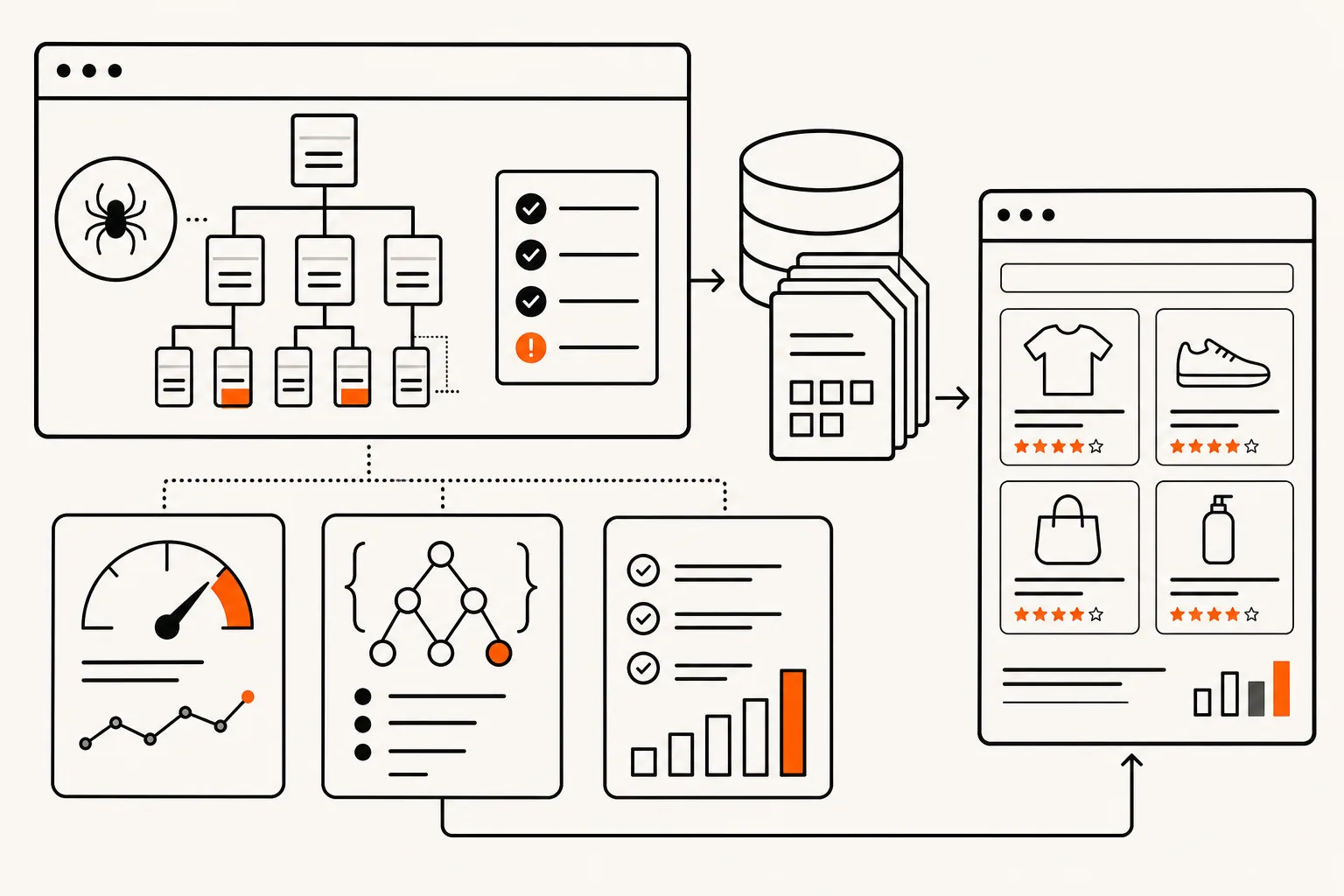
AI engines treat source citations and product recommendations as two distinct signals. A citation can appear in an answer without the engine linking directly to a purchase page.
Map out which of your pages serve as evidence (size guides, policy pages) and which are conversion targets (product detail pages). Keep the two groups separate in your internal linking structure, evidence pages should link outward to the PDP, not the other way around.
Our method page provides additional context on aligning evidence and recommendation assets.
When you audit the link flow, you’ll notice a cleaner hierarchy: top‑level evidence → supporting content → product page. This hierarchy helps AI models cite the right source while still sending users to the buying page.
After you finish, run a final AI citation audit. Verify that each high‑intent query now shows a citation to an evidence page and a clear “Buy now” link to the product.
FAQ
What is an AI citation?
An AI citation is a reference that a generative search engine like ChatGPT or Google AI Overview includes when it answers a user query, linking back to your site as a source.
How do AI citations differ from traditional backlinks?
AI citations come from the engine’s own knowledge graph, not from other sites linking to you; they reflect the content’s suitability for direct answer generation.
Why does my organic rank still matter if AI citations are separate?
AI engines pull from the same index that Google uses for organic rankings, so a drop in rank usually reduces the chance of being cited.
Can I track AI citation performance?
Yes, Optimitor provides a citation‑tracking dashboard that shows citation counts per query, per page, and the traffic each citation drives.
Do I need new tools to capture AI citations?
No, you can use existing SEO tools to monitor rankings and then layer Optimitor’s citation data on top for a complete view.
Conclusion
Start by establishing a solid baseline, then map queries, rewrite pages, fix technical health, and keep citation sources distinct from purchase pages. That workflow ties AI citation impact directly to ecommerce SEO performance. Ready to see your brand appear in AI answers? Run Optimitor’s AI citation audit today and turn citations into qualified traffic.
Run it on your catalogue
We run three Google searches and three AI buyer questions in your category, then show which page, mention or authority gap is costing you the answer.
Request the teardown ↗