Step 1: Define What Your AI Search Visibility Engagement Includes
AI search visibility consulting rates only make sense after you define the engagement. A monthly fee for prompt tracking is a different purchase from a senior team fixing technical SEO, content gaps, authority, and conversion paths.
Start by writing down the business outcome. Do you need your company named when buyers ask for category options? Do you need your product cited when buyers compare vendors? Or do you need more qualified organic traffic that later appears in ChatGPT, Perplexity, Gemini, AI Overviews, or other AI search surfaces?
Those goals need different work. A brand mention can raise awareness, but it may not bring a sales call. A citation from a product comparison page may reach a buyer much closer to a decision. Track both, but don't treat them as equal.
Separate measurement from the work that changes the result
An AI visibility tracker can show whether your brand appears for a prompt. It may also show position, sentiment, competitor presence, and cited URLs. That is useful evidence. It does not repair a weak page, earn a relevant mention, or fix a site that search engines struggle to crawl.
We treat prompt tracking as a measurement layer inside SEO. The prompt list should come from real buyer language. Use sales call notes, customer questions, support tickets, and long queries in Google Search Console. Then group prompts by intent:
- Category prompts, such as which platforms fit a specific use case.
- Comparison prompts, where a buyer weighs two or more vendors.
- Problem prompts, where the buyer describes a pain without naming a solution.
- Brand prompts, where the buyer asks whether your company is a good fit.
For each prompt, record whether your brand appears, which source the answer cites, how your brand is described, and which competitor appears instead. A mention rate tells you how often the brand appears. Share of voice shows your presence against named competitors. Citation coverage tells you which pages or outside sources support the answer.
Ask for the delivery plan before you ask for a rate. It should state who owns the technical work, who writes or edits content, how often prompt data is reviewed, and what happens when a page loses rankings. If the proposal only promises more mentions, the scope is too thin.
We explain this operating model in our guide to choosing between an AEO agency and an SEO agency. The point is simple: one team should own the search foundation and the AI visibility layer.
Optimitor offers an integrated programme combining traditional SEO foundations with AI visibility tactics and limits engagements to one client per competitive category. We work with B2B SaaS companies and consumer brands with high repeat purchase value. We also take one client per competitive category, so the engagement has a clear market boundary.
Step 2: Map the Pricing Tiers to Your Company's Needs
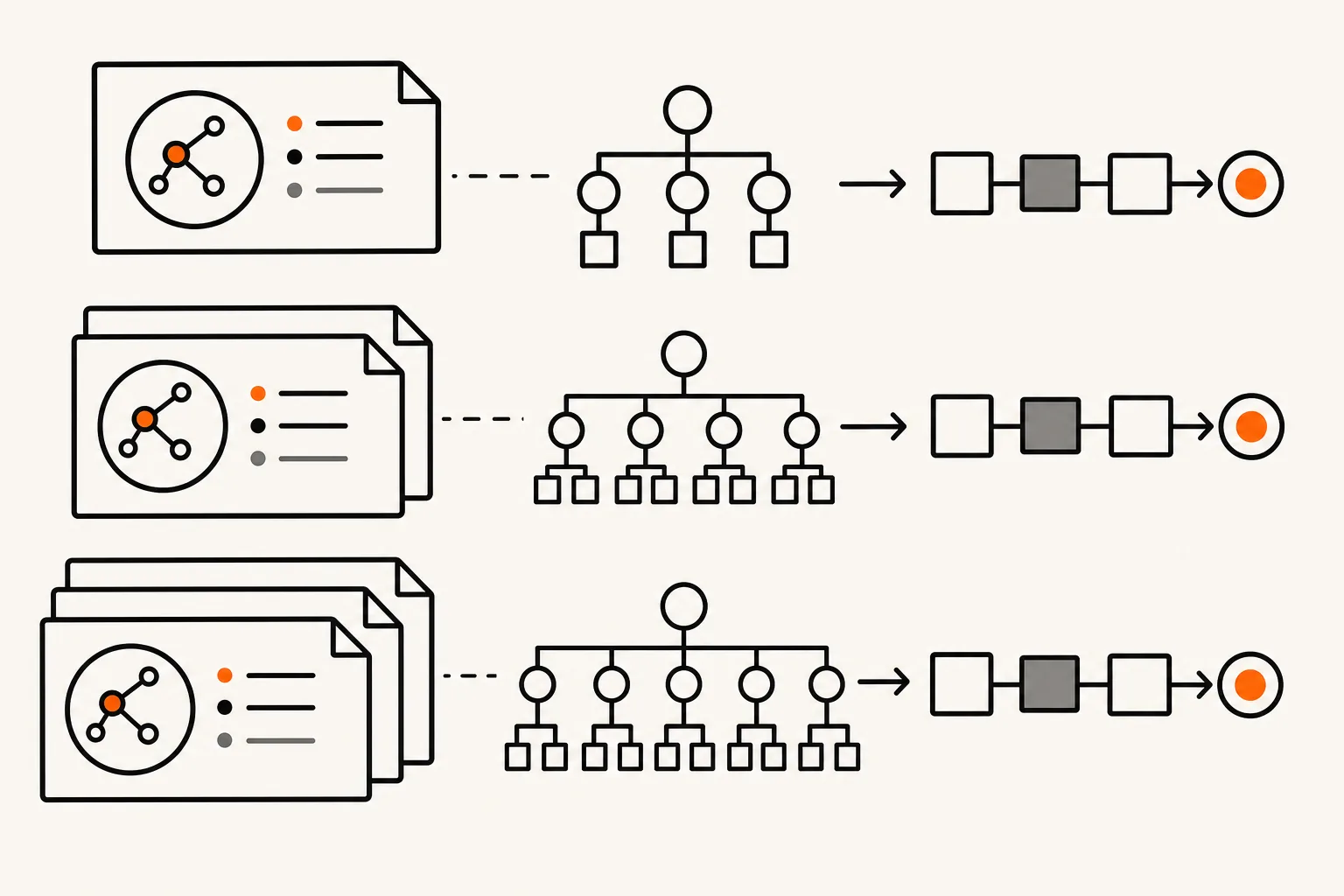
AI search visibility consulting rates usually rise with the number of markets, prompts, pages, platforms, and people involved. Pick the tier based on the work your team cannot do well, not on the size of a dashboard.
Tier one: measurement for an early test
A small company may start with prompt monitoring and a focused audit. This tier fits a team that has a clear market, a small set of buyer questions, and someone in-house who can make site changes. The goal is to establish a baseline.
You might track a limited prompt set across ChatGPT, Perplexity, Gemini, and Google AI surfaces. You might also review cited pages and compare your brand with a short list of competitors. The work is useful when it leads to a ranked list of fixes. It is weak when the team checks the score each week but changes nothing.
Software can sit in this tier. Peec AI lists a brand plan at $95 per month. These figures describe the named software plans in the research, not the full cost of operating an AI search programme.
Tier two: a growing company with an active SEO programme
A growing company needs more than a prompt list. It needs a repeatable way to turn gaps into page briefs, technical tickets, content updates, and authority work. The team may monitor more prompts by intent and market. It may also need historical data to connect ranking changes with citation changes.
This is where many buyers confuse consulting with software. A tool can tell you that a competitor appears for a comparison prompt. A consultant must decide whether the gap comes from weak content, poor internal links, missing proof, unclear entities, or stronger third-party coverage. Those diagnoses carry the labor cost.
A useful proposal at this tier names the monthly work. It might include a technical workstream, a set number of commercial pages, prompt review, content briefs, schema checks, and a monthly executive report. Do not accept a vague promise to “optimize for AI.” Ask which page will change first and why.
For a B2B SaaS team, see our enterprise AI citation pricing comparison. The entry fee is not the only consideration.
Tier three: enterprise or high-value category ownership
Enterprise work has more moving parts. Multiple product lines may target different buyers. Several teams may publish on the same site. Legal review can slow edits. A global company may need regional prompt sets, local source coverage, and a clear approval path.
At this tier, consulting rates reflect senior oversight and coordination. The engagement may include technical SEO across templates, content architecture, entity consistency, digital PR, internal linking, and prompt-level reporting. It may also include a quarterly reset when product positioning or market conditions change.
Optimitor's stated programme pricing is available on request, with a 90-day initial term. That range is a planning reference for the work we sell, not a universal market rate. The right fee depends on the site's condition, competition, content volume, and the number of people needed to ship changes.
Research into eight agencies found that six did not publish pricing or a pricing model. Percepture was the only named firm in that sample with a disclosed starting price, at $6,000 per month. That lack of public detail means buyers should compare scope line by line instead of assuming a lower quote is cheaper.
Regional providers may be a better fit when your market is narrow. The researched options include Chilli Fruit Web Consulting for North Carolina businesses, TheeDigital for Raleigh and Durham companies, and Online Advantages for Charlotte-area and statewide businesses. Their fit depends on location and scope.
Use the tier that matches your execution gap. If your team needs a readout, buy measurement. If it needs diagnosis and shipping support, buy consulting. If many teams must move in one direction, budget for programme ownership.
Step 3: Compare Consulting With AI Visibility Tracking Software
AI visibility tracking is the process of testing set prompts against AI search systems, then recording brand mentions, position, competitors, sentiment, and cited sources. It matters because one answer can change when the wording, model, location, or source set changes.
Traditional rank tracking still matters. Search engines and AI systems often draw from the same public web signals, so a fall in organic visibility can weaken citation coverage. But prompt tracking adds a different view. It shows what happens inside the answer to a buyer's question.
Use software when your team can act on the findings. A tool is a sensible choice when you already have SEO staff, a content process, and someone who can fix technical issues. It is less useful when no one owns the work after the report arrives.
What software can measure
- Prompt-level brand mentions across supported AI systems.
- Share of voice against selected competitors.
- Citation URLs and source patterns.
- Historical shifts in visibility or position.
- Sentiment and the words used to describe the brand.
Some visibility platforms track how AI represents a brand, show cited sources, and support content and demand work. They can also track results across multiple AI systems. Those features can help a marketing team find patterns. They do not decide which content deserves investment.
Consulting adds judgment and execution. We may find that a product page ranks for a core term but lacks proof for a comparison prompt. The fix could be a better decision page, clearer product data, stronger internal links, or an earned mention on a trusted industry site. The tracker points to the gap. The programme fixes the cause.
Ask software vendors how they collect results. Direct prompting, API data, sampling, location settings, and refresh frequency can produce different readings. Ask how many prompts each plan allows. Ask if your team can export cited URLs. Ask what happens when a platform changes its response format.
Also ask whether the tool tracks the prompts your buyers use. A large score based on generic questions can look good while your brand remains absent from high-intent comparisons. The best prompt library includes category, use case, comparison, problem, and brand questions.
We recommend a hybrid choice for many teams. Use software for recurring measurement. Use a senior-led programme when the business needs strategy, content, technical changes, and authority work. That keeps the dashboard in its proper role.
Step 4: Calculate ROI Without Treating AI Citations as Revenue
AI search visibility consulting rates should be judged against business value, but an AI citation is not revenue. It is an exposure or influence signal. Your model must connect that signal to visits, qualified conversations, opportunities, and closed business.
Start with a baseline before work begins. Record organic rankings for commercial pages. Capture current prompt visibility. Save cited URLs and the wording AI systems use for your company. Then note organic sessions, assisted conversions, demo requests, sales-qualified leads, and pipeline value.
Keep the metrics in separate groups:
- Visibility: mention rate, share of voice, position, and source coverage.
- Engagement: AI referral visits, organic visits to decision pages, and return visits.
- Pipeline: qualified leads, opportunities, win rate, and revenue influenced.
- Quality: whether the answer describes the company accurately and reaches the right buyer.
A simple model is better than a grand claim. Suppose a tracked comparison page receives more qualified visits after its rankings improve. Measure the lead rate from that page. Then compare the value of those leads with the monthly fee, while noting that several channels may have contributed.
Do not claim that an AI answer caused a sale just because the buyer later mentions ChatGPT. Ask the sales team how the buyer found the company. Add a simple source field to the CRM. Review self-reported discovery alongside analytics because some AI sessions may be dark traffic or may not preserve a clear referral path.
AI answers are probabilistic. The same prompt can produce a different result at another time or on another platform. No consultant can guarantee a permanent citation. A credible contract promises a process, a defined scope, and reporting. It cannot promise that every model will recommend your company forever.
Tactics made mainly to manipulate rankings can fail with both people and search systems. The search spam policies reflect that concern. Content built only to trigger an AI answer can fail with both people and search systems. Clear information, useful proof, and sound site structure are safer investments.
At Optimitor, we connect prompt results to the pages and signals behind them. We look for qualified rankings first, then ask whether the page earns the right kind of citation. A brand can be named by AI and still fail to be recommended. That is a positioning and proof problem, not a mention-count problem.
Set a review point after the initial 90-day term. Keep the programme if visibility reaches important prompts and the commercial pages show stronger engagement or pipeline quality. Change the plan if the score rises but the buyer journey does not improve.
Step 5: Audit Hidden Costs and Limits Before You Sign
Hidden costs can make AI search visibility consulting rates look attractive at first. The fee may cover a report while your team pays separately for content, development, PR, data access, or extra prompts.
Review the proposal for these cost areas
- Prompt volume: Check the number of tracked questions, markets, and competitors.
- Platform coverage: Confirm which AI systems are tested and how often results refresh.
- Location coverage: Ask if results vary by country, city, language, or user context.
- Implementation: Find out whether the provider edits your site or only gives recommendations.
- Content production: Check page count, editing rounds, subject review, and fact checks.
- Authority work: Ask whether digital PR, mentions, or link work sits inside the fee.
- Reporting: Confirm who attends the review and what decisions the report supports.
Site access can be another cost. A consultant may identify schema, crawl, template, or internal linking problems, but your developer may still need to implement them. Ask for a handoff plan. A recommendation that waits six months for engineering time will not produce the same result as a fix shipped this month.
Content has limits too. A low monthly fee may include short briefs but no finished pages. Another proposal may include drafts but require your subject experts to fact-check every claim. Both can be fair. They are not the same service.
Audit-dependent pricing deserves close attention. Buyers should receive a clear audit output and a defined decision point before a larger commitment.
Ask what happens if the audit finds a much larger problem. Will the provider pause? Will the monthly fee change? Can you keep the audit and use another team? Put the answer in writing.
Check ownership as well. Your company should know who owns prompt data, briefs, page drafts, dashboards, analytics connections, and published content. If the provider keeps the only copy of the findings, switching later becomes costly.
There is also an opportunity cost. A team may spend hours chasing an AI score while a product page has a broken canonical tag or no clear comparison content. We would fix the search foundation first. AI visibility is downstream of that work, not a separate escape route from it.
Use a one-page buying scorecard. Give each proposal a pass or fail for scope clarity, implementation support, data access, commercial measurement, and exit terms. The lowest monthly fee should not win if it leaves the work with your already full team.
Step 6: Choose a Pricing Model That Supports Long-Term Visibility
The right pricing model matches the speed and uncertainty of the work. AI search visibility consulting rates can be set as a one-time audit, a fixed project, a monthly programme, or a mixed model.
Use a fixed audit when you need a diagnosis
A fixed audit works when the company has not yet mapped its prompts, cited sources, technical barriers, or content gaps. The deliverable should include evidence. That means tested prompts, recorded sources, competitor gaps, and a ranked action plan.
Do not buy an audit that ends with a score and no decision rules. You should know which issue gets fixed first, who owns it, and what result would justify the next phase.
Use a project fee for a defined change
A project fee fits a known need, such as rebuilding a comparison section, fixing a site template, or producing a set of decision pages. Define the number of pages, review rounds, technical tickets, and acceptance criteria.
Project pricing can fail when the problem is broader than the brief. If the site has weak authority or poor information architecture, a few new pages may not change visibility. Add a discovery stage before committing to a narrow deliverable.
Use a monthly programme for ongoing category work
A monthly model fits companies that need repeated testing and execution. AI responses change. Competitors publish. Product pages age. A steady programme lets the team review prompt movement, then ship the next set of fixes.
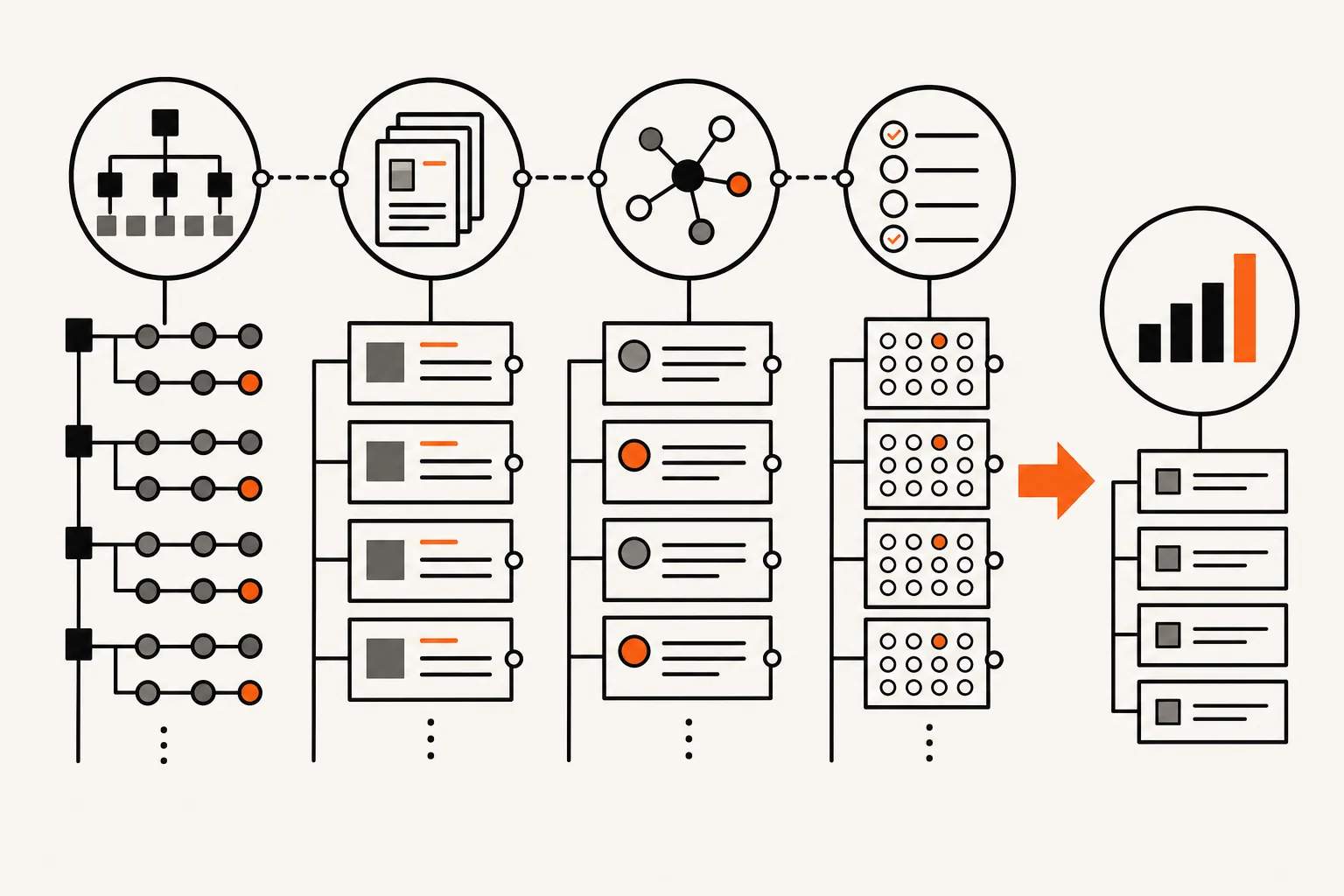
The monthly fee should buy a defined operating rhythm. For example, the team might begin with prompt review, then move into page work, then assess rankings and citations. The exact mix depends on the site. The sequence matters more than a long list of services.
We prefer one integrated programme for B2B SaaS and high-repeat-purchase consumer brands. Optimitor's model combines traditional SEO with AI visibility measurement and limits the category to one client. That avoids the common problem of selling a second “AI” retainer beside the SEO retainer.
Ask whether the provider works with direct competitors. We take one client per competitive category for the engagement. That rule is worth asking about because category knowledge is useful, but conflicts can weaken trust.
For teams that need decisions and shipped work, a senior-led consultancy is usually the better fit. A mixed model can work when internal SEO staff own execution and outside specialists handle audits, strategy, or difficult technical work.
Review the model every quarter. Keep the prompt set tied to buyer questions. Remove prompts that never influence a decision. Add new comparisons when the product, category, or sales motion changes.
FAQ
How much do AI search visibility consulting rates cost?
AI search visibility consulting rates depend on scope, competition, content volume, and implementation support. Optimitor's programme pricing is available on request, with a 90-day initial term. Software subscriptions can cost less, but they do not include the same strategic or execution support.
Is AI search visibility consulting different from SEO?
AI search visibility consulting usually adds prompt testing and citation analysis to SEO work. The strongest programmes still fix crawl access, site structure, useful content, entities, and authority. AI systems can use the same public pages and sources that support organic search. Treating AI visibility as a separate retainer can lead to duplicate work.
Can an agency guarantee AI search visibility?
No, an agency cannot guarantee a permanent AI citation or recommendation. AI systems produce probabilistic answers that can change by prompt, model, time, and location. A credible provider can define the testing method, improve the pages and sources behind visibility, and report movement. It cannot control every answer produced by an outside system.
Should I buy an AI visibility tool or hire a consultant?
Buy a tool when your team can interpret prompt data and ship SEO changes. Hire a consultant when you need diagnosis, content, technical work, authority building, or senior programme ownership. Many companies use both. The tool measures visibility. The consultant decides what to change and makes sure the work reaches the site.
What should an AI visibility report include?
An AI visibility report should show tracked prompts, brand mentions, competitor presence, share of voice, cited sources, sentiment, and changes over time. It should also explain the next actions. A report that only shows a score cannot tell you whether a product page, comparison asset, technical fix, or outside mention needs attention.
How long should an AI search visibility engagement last?
A 90-day initial term gives a team time to set a baseline, ship priority fixes, and review early movement. Some technical or authority changes take longer to affect rankings and citations. Set a review point before signing. Continue when the work improves important buyer prompts and supports qualified traffic or pipeline.
Conclusion
Choose consulting when you need someone to change the conditions that produce visibility, not merely report a score. Start with a prompt baseline, a technical and content audit, and a written 90-day action plan. For B2B SaaS and high-value consumer brands, Optimitor can scope that integrated programme around qualified rankings, citations, and pipeline.
Price the work, not the dashboard
Six searches, one category, one commercially useful diagnosis — the same evidence we would use to scope a programme for you.
Request the teardown ↗