Step 1: Freeze the Overhaul and Record the Baseline
First, halt any further changes to the pages that have lost citations. This gives you a stable point to measure against.
Run a quick crawl using a site-crawling tool. Capture current URLs, status codes, and meta data. Save the export as a CSV, it becomes your reference sheet.
Next, pull the AI citation numbers from your tracking platform. If you don’t have one, start with a manual check: ask ChatGPT or Perplexity a question that should pull your page, then note whether it appears.
By now you should have two files: a crawl snapshot and a citation count list. These will tell you where the biggest drops occurred.
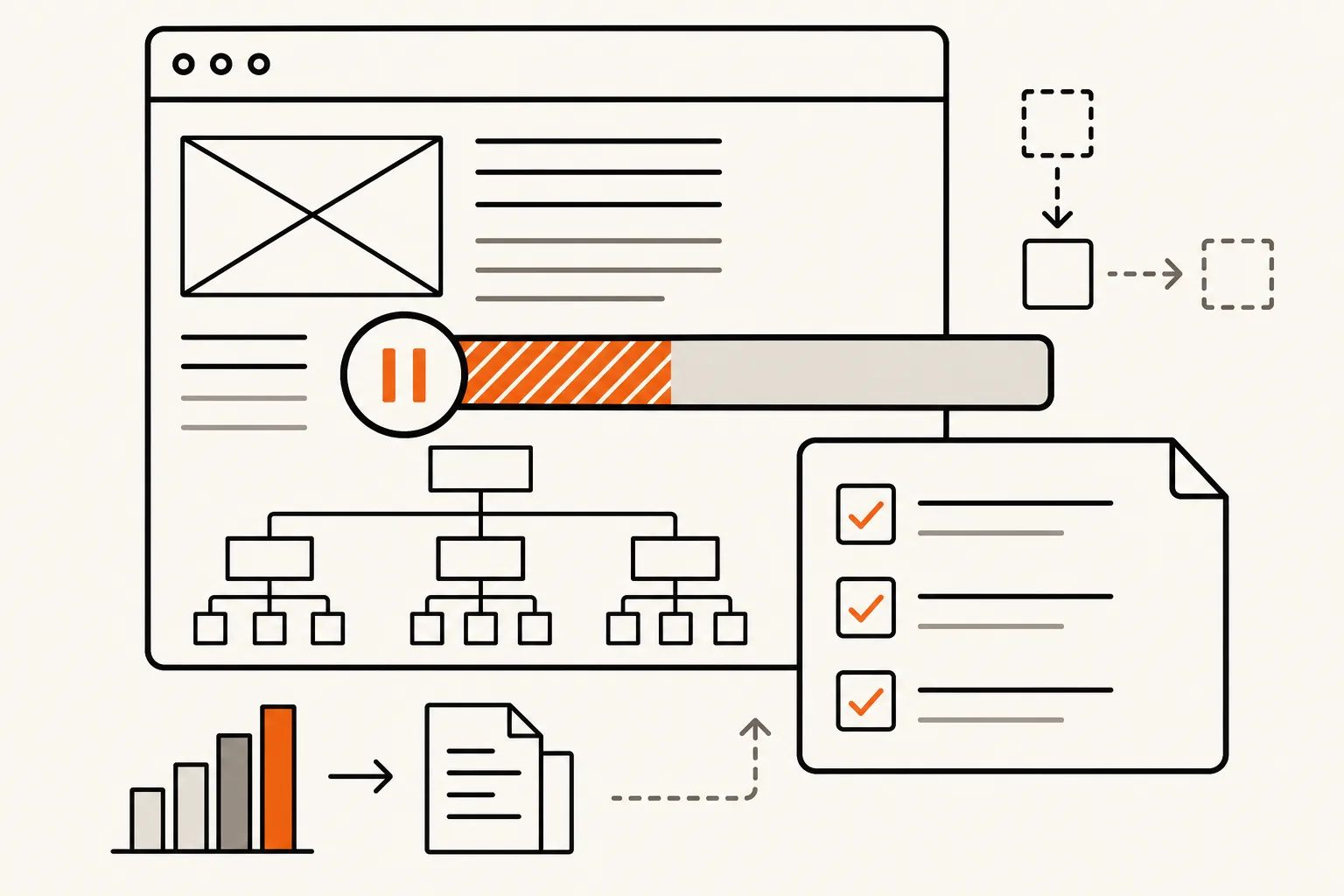
Step 2: Separate Ranking, Crawling, and Content Signals
Now split the problem into three buckets: ranking drops, crawl issues, and content gaps.
Rankings are the first sign of trouble. Compare current SERP positions to the baseline you recorded before the overhaul. Use AI Citation Audit for B2B SaaS as a template to map each keyword to its citation likelihood.
Crawl errors show up in the CSV you saved. Look for 404s, redirect loops, or blocked resources. Fix these in Search Console or your server config.
Content signals include schema, entity mentions, and answer‑ready sections. Pull the content from the pages that lost citations and run a quick readability check. If the text is now too thin or missing key facts, you’ll need to add them back.
Step 3: Restore the Page’s Citation‑Worthy Information
Bring back the data that AI engines love to quote.
Start with structured data. Add JSON‑LD for FAQ, How‑To, or Product schema where it makes sense. This signals to Google’s indexer that the page contains concise, answerable facts.
Next, re‑inject authoritative facts. Use sources like industry reports, government stats, or peer‑reviewed studies. For example, you could cite the latest Wikipedia entry on artificial intelligence for a definition, then link to the original report.
Make sure each claim lives in its own paragraph and uses clear language. AI models pull from the first paragraph that matches the query, so keep the answer near the top.
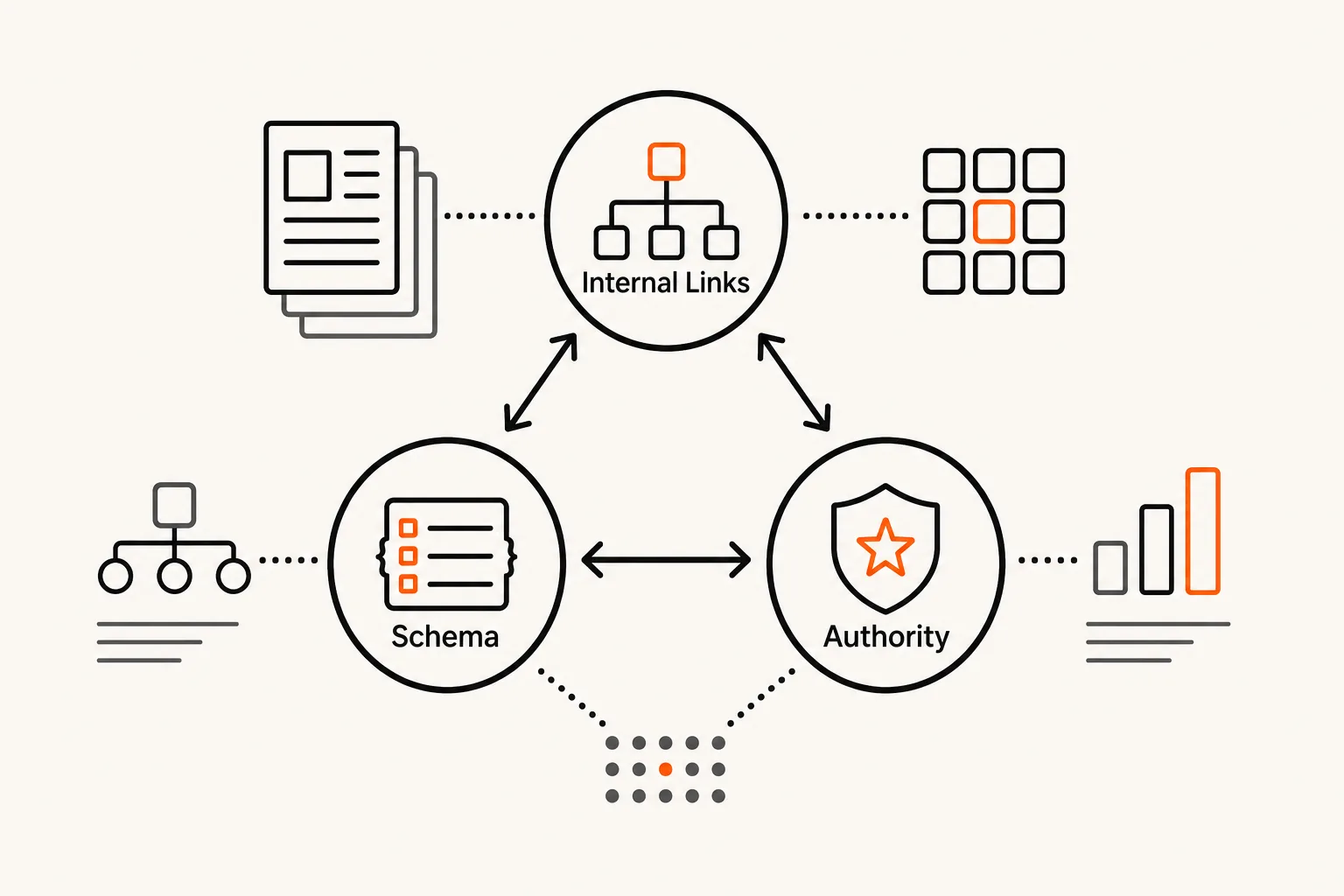
Step 4: Rebuild Internal Links, Schema, and Authority Signals
Internal links act like votes for your pages. After the overhaul, many of those votes may have disappeared.
Audit your link map. Use a tool to find orphan pages and reconnect them to high‑traffic hubs. Add contextual anchor text that matches the target page’s main query.
Refresh schema across the site. Follow established guidelines to ensure you’re not over‑stuffing or missing required fields.
Earn external authority by reaching out to industry publications for a quote or a link. One mention on a reputable .edu or .gov site can boost both organic rank and AI citation chances.
Step 5: Validate Recovery Before Scaling the New Content System
Before you roll out the refreshed template to the rest of the site, test the results.
Run another crawl and compare it to the baseline from Step 1. Look for fewer errors and a higher indexability score.
Check AI citations again. Ask the same set of prompts you used earlier and note any new mentions. If the numbers are back to where they were, you’ve succeeded.
Finally, lock the new workflow into a repeatable process. Document each step in a runbook and assign ownership to a senior SEO lead.
When you’re ready, expand the approach to other sections of the site. Keep the audit cadence monthly to catch any future drift.
For a full‑scale rollout, see our Best AI Citation Tracking Tools guide, which explains how to automate the monitoring part.
FAQ
Why do AI citations drop after a content overhaul?
AI citations drop because the overhaul often removes ranking signals, breaks crawlability, and strips out structured data that AI models use to answer queries.
How can I tell if my ranking loss is causing citation loss?
Compare pre‑overhaul SERP positions to current ones; a drop in rank usually mirrors a drop in AI citations.
Do I need a special tool to track AI citations?
Yes, a citation‑tracking tool gives you a clear picture of where AI engines are pulling from, and Optimitor includes this as part of its service.
Can I fix citation loss without changing the content?
Minor fixes like adding schema or fixing crawl errors can help, but restoring the core factual content is usually required.
How long does it take to see citation recovery?
Recovery can appear within a few weeks after Google re‑crawls the updated pages, but full stabilization may take up to three months.
What should I monitor after the fix?
Track organic rankings, crawl health, and AI citation counts together. A dip in any one area signals you need to revisit the steps.
We recommend starting with Optimitor’s integrated SEO and AI citation program. It pairs technical fixes with real‑time citation monitoring, so you can see the impact quickly.
Ready to protect your AI visibility? Schedule a discovery call on our site and let us run a baseline audit for your brand.
Before the next overhaul
Our private teardown gives you a baseline to measure the rewrite against, instead of guessing what the old page was doing.
Request the teardown ↗